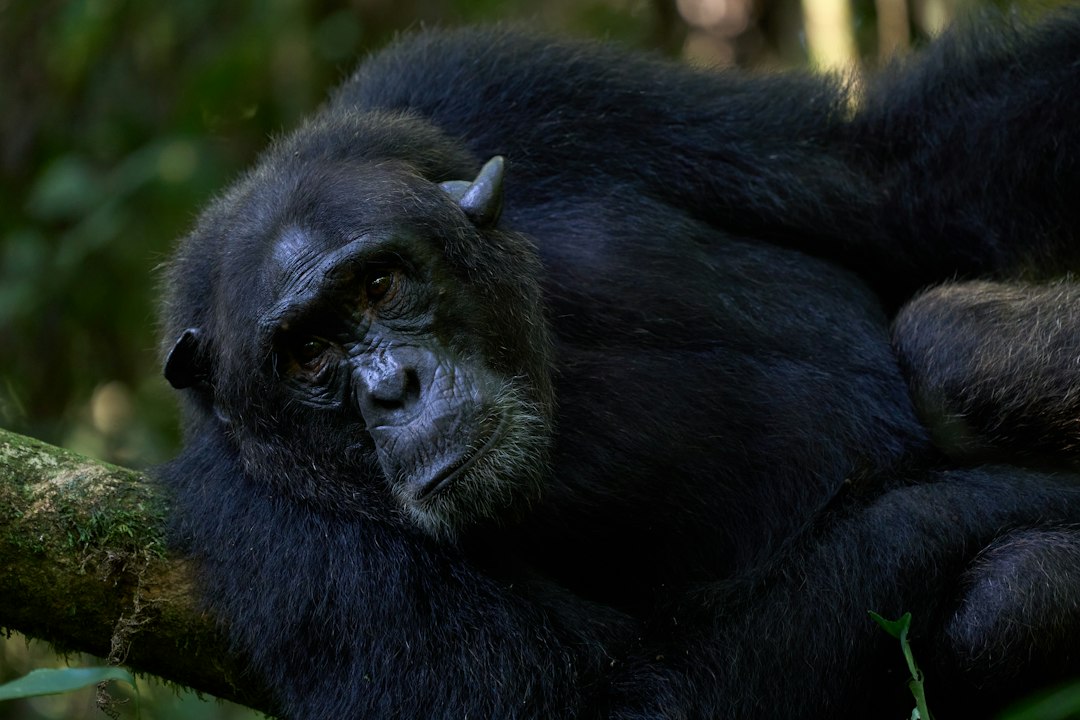
Chimpanzee trekking in Kibale is a guided morning or afternoon walk through Kibale National Park in western Uganda to spend one hour with a habituated chimpanzee community. Treks leave Kanyanchu at 08:00, 11:00 and 14:00, last two to five hours, and the standard permit costs US$250 per foreign visitor (checked October 2026).
Planning chimpanzee trekking in Kibale can feel confusing: two permit types, rates that are about to change, rainy seasons and a six-hour drive from Kampala. This guide sets out what the day is really like, what you will pay, when to go, how to get there and how to fit Kibale into a wider Uganda safari, so you can book the right option first time.

Photo by Dmitrii Zhodzishskii on Unsplash
Quick Facts
- Where: Kibale National Park, western Uganda, about 35 km south-east of Fort Portal
- Park size: 795 km² of mostly tropical forest with 13 primate species
- Trek start times: 08:00, 11:00 and 14:00 from Kanyanchu Visitor Centre
- Time with chimps: One hour once the group is found; treks last 2-5 hours in total
- Permit cost: US$250 tracking, US$300 habituation for foreign non-residents (checked October 2026)
- Minimum age: 16 years, maximum six visitors per group
- Best months: Drier spells December-February and June-August; open all year
What Is Chimpanzee Trekking in Kibale Really Like?
Chimpanzee trekking in Kibale is a walk on forest trails with a Uganda Wildlife Authority ranger guide, following calls and fresh signs until you reach a feeding or resting chimpanzee group. It is active, noisy and unpredictable, very different from sitting quietly with gorillas.
Ready to go? Book your customized safari instantly on WhatsApp — we'll take it from there.
 Book
Instantly on
Kibale holds more than 1,500 chimpanzees in at least 12 communities, and four are habituated for tourism and research, according to Uganda Wildlife Authority’s Kibale page. The Kanyanchu community is the one most visitors meet. Because these apes spend much of the day in the canopy, expect to crane your neck at times, then suddenly find several of them on the ground, crossing the trail or drumming on buttress roots.
A typical day of chimpanzee trekking in Kibale
Your day starts with registration and a briefing at Kanyanchu, so arrive early for your slot. Rangers explain the rules: stay with the group, keep a respectful distance, no eating near the chimps, no flash photography and stay home if you have a cold, since chimps catch human illnesses easily.
The walk itself is mostly on fairly flat, well-used trails, although roots, mud and fallen branches make good boots essential. Rangers know the community’s usual range and read fresh signs such as calls, feeding remains and nests, so the search is rarely aimless. Once you reach the chimps, the one-hour clock starts. You might see grooming, a mother carrying an infant, a male display or a feeding session in a fig tree.
Uganda Wildlife Authority puts the chance of finding chimpanzees on the Kanyanchu walk at over 90 percent, which makes chimpanzee trekking in Kibale one of the most reliable primate encounters in East Africa. Sightings are never guaranteed, though, and the chimps decide how close the view will be.
How Much Does a Kibale Chimpanzee Permit Cost?
The standard permit for chimpanzee trekking in Kibale costs US$250 for foreign non-residents and the habituation experience costs US$300 (checked October 2026). Announced Uganda Wildlife Authority tariffs raise these to US$300 and US$400 from 1 January 2027, so booking early matters.

Photo by Dmitrii Zhodzishskii on Unsplash
The table below sets out the rates reported for foreign non-resident visitors. East African citizens and foreign residents pay lower rates, and residents need proof of residence such as a work permit. Rates are set by Uganda Wildlife Authority and change every tariff period, so treat these as a planning guide and confirm the figure when you book.
| Permit | Current rate (FNR) | Announced from January 2027 |
|---|---|---|
| Chimpanzee tracking (one hour with chimps) | US$250 | US$300 |
| Chimpanzee habituation experience (CHEX) | US$300 | US$400 |
| Low-season tracking (April, May, November) | US$200 | US$200 (reported) |
The low-season offer was reported in February 2026 for tracking permits in April, May and November, and these discounted permits cannot be rescheduled. Your total trip cost also includes the drive or flight, a driver-guide, accommodation and meals, and park entry where it applies. For a wider picture of Uganda budgets and parks, read our guide to the best national parks to visit in Uganda.
Chimpanzee Tracking vs the Habituation Experience: Which Should You Book?
For chimpanzee trekking in Kibale, book standard tracking if you want a reliable one-hour encounter that fits a busy itinerary. Choose the habituation experience if you love primates or photography and want a long day with researchers following a less habituated group from the nests at dawn.

Photo by Dmitrii Zhodzishskii on Unsplash
The habituation experience, known as CHEX, starts at 06:30 and runs as a half or full day alongside habituators whose job is to accustom chimpanzees to people. Because these chimps are less used to visitors, you work harder: more off-trail walking, more waiting and more uncertainty. In return you see the community wake, feed, travel and rest, with far more time than the single hour of tracking.
| Feature | Chimpanzee tracking | Habituation experience |
|---|---|---|
| Start time | 08:00, 11:00 or 14:00 | 06:30 |
| Time with chimps | One hour | Most of a half or full day |
| Fitness needed | Moderate: 2-5 hours on trails | Higher: longer, often off-trail |
| Best for | First-time visitors, families with teens, tight schedules | Photographers, primate enthusiasts, repeat visitors |
If you are also planning a gorilla trek, standard tracking usually makes more sense, since the gorilla day already brings a long, intimate encounter. Our Bwindi gorilla trekking guide explains how the two experiences compare in effort and permits.
When Is the Best Time for Chimpanzee Trekking in Kibale?
The best time for chimpanzee trekking in Kibale is during the drier spells of December to February and June to August, when trails are firmer and walking is easier. The park is open every day, though, and chimps can be found in any month.
Kibale sits on the Fort Portal plateau at around 1,590 metres, so days are mild, with average temperatures between 14°C and 27°C. Uganda Wildlife Authority notes that most rain falls from March to May and from September to November, with the northern forest receiving up to 1,700 mm a year.
| Months | Conditions | Trekking notes |
|---|---|---|
| December-February | Drier, warm days | Firm trails; busy over festive dates, so book permits early |
| March-May | Long rains | Muddy paths and showers; April and May low-season permit offer |
| June-August | Drier, cooler mornings | Peak demand, excellent walking conditions |
| September-November | Short rains | Fruiting trees can keep chimps active; November low-season offer |
Is chimpanzee trekking in Kibale possible in the rainy season?
Yes. Rain in Kibale often comes as heavy afternoon showers rather than all-day downpours, so the 08:00 slot is your best bet in wet months. Chimps feed on ripening fruit year-round, and wet-season trips bring quieter trails, greener forest and the chance of a discounted permit. If you are heading to Uganda at the end of the year, our Uganda safari in December post covers the season across the country.
How Do You Get to Kibale National Park?
Most travellers reach Kibale by road from Kampala or Entebbe, a trip of roughly 330 km that takes about six hours via Fort Portal. Faster options are a scheduled or charter flight to Kasese, about an hour from Entebbe, followed by a two-hour drive.
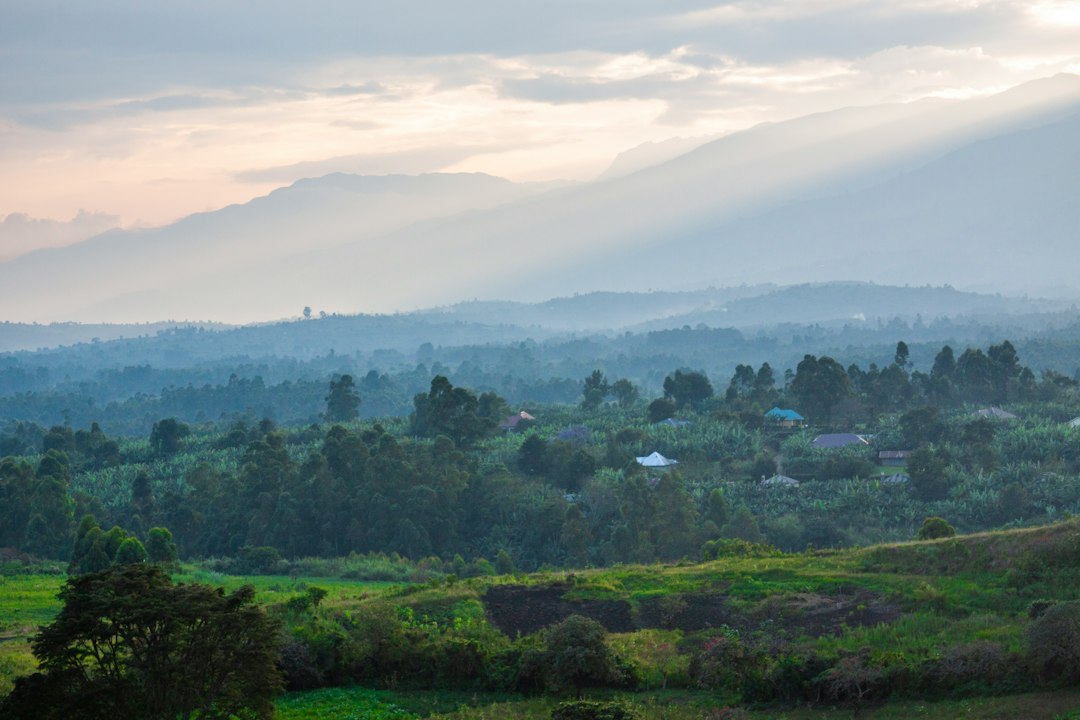
Photo: Divulge Adventures
Kanyanchu Visitor Centre, where chimpanzee trekking in Kibale starts, lies about 35 km south-east of Fort Portal, and the Kasese airstrip is around 60 km away. Many safaris break the journey by arriving the afternoon before and staying near Kanyanchu, Bigodi or the crater lakes west of the park, so you are fresh for an 08:00 trek.
Before you fly, check entry rules. Uganda requires a visa for most visitors, and if you are also visiting Kenya or Rwanda, our guide to the East Africa Tourist Visa explains whether one visa can cover all three.
Beyond the Chimps: Bigodi, Other Primates and Birds
Kibale is far more than one chimp walk. The park holds 13 primate species and about 370 bird species, and the community-run Bigodi Wetland Sanctuary just outside the park adds a gentle swamp walk that suits all ages.

Photo: Divulge Adventures
On almost any walk you are likely to see other primates as well, such as black-and-white colobus and red colobus, plus olive baboons near the forest edge. Kibale also shelters forest elephants, though they are shy and rarely seen.
Bigodi Wetland Sanctuary lies about 5 km south of Kanyanchu and is managed by the local community. A guided boardwalk and trail loop through papyrus swamp and forest edge is excellent for birds and monkeys, and the fees support village projects. It makes a perfect afternoon after a morning of chimpanzee trekking in Kibale, or an alternative for anyone under 16.
West of the park, the Ndali-Kasenda crater lakes area offers walks, viewpoints and lodges with views over old volcanic craters. Pairing the forest, Bigodi and the crater lakes turns a quick primate stop into a relaxed two-night stay.
How Many Days Do You Need for Kibale and Uganda?
Allow at least two nights for chimpanzee trekking in Kibale plus Bigodi, and six to ten days in Uganda to combine chimpanzees with gorillas or a classic savannah safari. Kibale works best as part of a circuit rather than a stand-alone trip.

Photo: Divulge Adventures
Chimpanzee trekking in Kibale fits naturally into western Uganda’s main safari routes. Queen Elizabeth National Park lies to the south, with game drives and the Kazinga Channel boat trip, and Bwindi Impenetrable National Park follows for mountain gorillas. To the north, Murchison Falls adds the Nile, the falls and big savannah game.
Our 6 Days Chimpanzee Trekking and Wildlife Safari pairs Kibale with Murchison Falls, while the 7 Days Primate and Wildlife Safari links Kibale chimps with Queen Elizabeth and Bwindi gorillas. If you have already seen chimps elsewhere, compare the experience with remote chimpanzee trekking in Mahale Mountains in Tanzania, which suits travellers wanting a lakeshore wilderness rather than an easy-access forest.
See our Uganda chimpanzee and gorilla safaris
Browse tailor-made Uganda itineraries that combine chimpanzee trekking in Kibale with Bwindi gorillas, Queen Elizabeth or Murchison Falls, with private vehicles and experienced driver-guides.
Insider Tips
- Book early: Permits for chimpanzee trekking in Kibale are limited by group size, so secure yours before flights for June-August and December dates
- Take the 08:00 slot: Mornings are cooler, chimps are often active and you beat afternoon rain
- Dress for the forest: Long trousers tucked into socks, long sleeves in muted colours, waterproof boots and a light rain jacket
- Use gardening gloves: Handy for gripping branches and avoiding nettles on steeper or muddy sections
- Camera settings: No flash is allowed; a fast lens and higher ISO help under the dark canopy
- Stay healthy: Skip the trek if you have a cold or flu, since chimps catch human illnesses
- Add Bigodi: Book the swamp walk for the afternoon to make the most of the area
Let us plan your safari
Tell us your dates, budget and dream sightings, and our Nairobi team will send you a free tailor-made itinerary and quote.
Frequently Asked Questions
How much does chimpanzee trekking in Kibale cost?
Chimpanzee trekking in Kibale costs US$250 per foreign non-resident for tracking and US$300 for the habituation experience (checked October 2026). Announced rates rise to US$300 and US$400 from January 2027, and a US$200 low-season tracking rate applies in April, May and November. Confirm the current tariff before paying.
How long does chimpanzee trekking in Kibale take?
Chimpanzee trekking in Kibale usually takes two to five hours from the briefing to your return at Kanyanchu, according to Uganda Wildlife Authority. Most of that time is walking and searching; once the rangers find the chimpanzees you are allowed one hour with them. The habituation experience starts at 06:30 and can fill a half or full day.
What is the minimum age for chimp trekking in Kibale?
The minimum age for chimp trekking in Kibale is 16, as listed by Uganda Wildlife Authority for the Kanyanchu primate walk. Younger children can still enjoy the Kibale area through the community-run Bigodi Wetland Sanctuary walk, birding and the crater lakes near Fort Portal, so families can split the morning and meet up for lunch.
Is chimpanzee trekking in Kibale worth it?
Chimpanzee trekking in Kibale is worth it for most primate lovers: Uganda Wildlife Authority puts the chance of finding chimpanzees on the primate walk at over 90 percent, and the forest holds 13 primate species. It is also far cheaper than a gorilla permit, which makes Kibale an easy, high-value addition to a Bwindi or Queen Elizabeth safari.
Can you see chimps in Kibale in the rainy season?
Yes, you can see chimps in Kibale in the rainy season, because the park is open and treks run every day of the year. The wettest months are March to May and September to November, when trails turn muddy and afternoon showers are common. Book the 08:00 slot, wear waterproof boots and pack a light rain jacket.
Final Thoughts
Chimpanzee trekking in Kibale gives you a reliable, thrilling hour with wild chimpanzees in one of Africa’s richest primate forests, for a fraction of the cost of a gorilla permit. Go in a drier month if you can, take the early slot and lock in your permit before the 2027 rate rise.
Tell us how many days you have and whether gorillas are on your list, and we will build a Uganda route that gets you to Kanyanchu at the right time.
Tracking or habituation: which Kibale chimp experience suits you?
Chat with a Divulge Adventures safari consultant on WhatsApp for honest advice, a quick answer and a quote built around you.