
A Tanzania safari in January is one of the best-value ways to see East Africa at its greenest. The short dry season brings mostly sunny days, the migration herds settle on the southern Serengeti plains for the start of calving, and Kilimanjaro and Zanzibar both enjoy good weather. Expect warm days of about 29°C on the northern circuit.
The catch is that January mixes two very different weeks: the busy, expensive New Year period and a calmer second half when the best southern camps are already filling for calving. This guide covers the weather by region, which parks shine, what a January trip costs, how many days you need and how to add Kilimanjaro or a beach week.

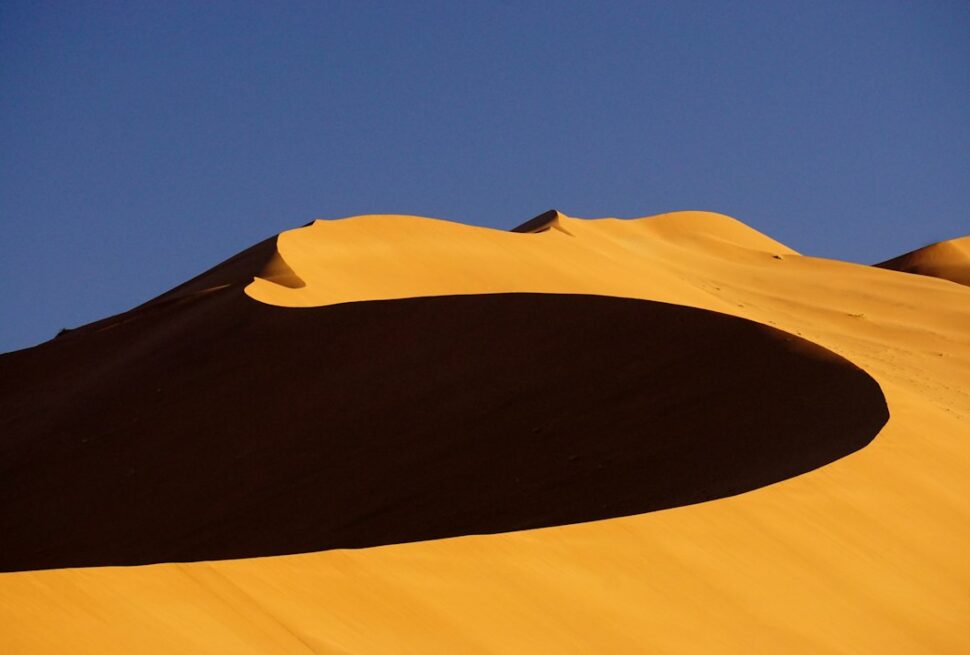
Photo by Doina Gavrilov on Unsplash
Quick Facts
- Season: Short dry season between the November-December short rains and the March-May long rains
- Wildlife highlight: Migration herds on the southern Serengeti and Ndutu plains, with calving building from late January
- Temperatures: About 29°C by day on the northern circuit, around 25°C in Arusha, up to 32-33°C on Zanzibar
- Serengeti entry: US$82.60 per adult per 24 hours, including VAT (checked October 2026)
- Entry rules: Tanzania eVisa plus the mandatory US$44 inbound travel insurance introduced on 1 October 2026
- Busiest dates: 1-5 January (New Year) and the last week of the month, as calving camps fill
- Ideal length: 6-8 days on safari, plus 4-5 nights on Zanzibar or 7-8 days on Kilimanjaro
Is January a Good Time for a Tanzania Safari?
Yes. A Tanzania safari in January is one of the strongest choices of the year: mostly dry weather, concentrated herds in the south, green scenery and fewer vehicles than the July to October peak. It suits first-timers, photographers and families. It suits you less if you want Mara River crossings or rock-bottom prices.
Ready to go? Book your customized safari instantly on WhatsApp — we'll take it from there.
 Book
Instantly on
January sits in the gap between Tanzania’s two rainy seasons. The short rains of November and December have turned the plains green, and the long rains usually do not arrive until March. That gives you clear mornings, dramatic skies and plenty of grazing, which keeps the wildebeest and zebra in one manageable area rather than spread across the whole ecosystem.
Pros and cons of a Tanzania safari in January
| Pros | Cons |
|---|---|
| Mostly dry, sunny weather across the north | High-season rates, especially over New Year |
| Migration herds gathered on open southern plains | No river crossings: those happen July to October |
| Early calving and strong predator action | Best calving camps book out 6-9 months ahead |
| Green landscapes and excellent birding | Hot and humid on the coast and in the southern parks |
| Good month for Kilimanjaro and Zanzibar add-ons | Tarangire’s elephants are more dispersed than in the dry season |
What Is the Weather Like in Tanzania in January?
The weather on a Tanzania safari in January is warm and mostly dry. Daytime highs reach about 29°C on the northern safari circuit and 30-33°C in the southern parks, while the Arusha and Ngorongoro highlands stay cooler at around 25°C. Short showers can still fall, usually in the afternoon or at night.

Photo: Divulge Adventures
Altitude shapes what you pack for a Tanzania safari in January more than the calendar does. The Ngorongoro Crater rim sits at roughly 2,300 m and feels cold at dawn and after dark, while Zanzibar is hot and humid with sea breezes. The table below gives typical January conditions for the places most itineraries include.
| Region | Typical January weather | What it means for you |
|---|---|---|
| Serengeti and northern parks | Highs about 29°C, lows around 16°C, occasional showers | Pleasant game drives; a fleece for dawn starts |
| Arusha and Ngorongoro highlands | Highs about 25°C, lows around 13°C, colder on the crater rim | Warm jacket for evenings at your lodge |
| Ruaha and Nyerere | Highs 30-33°C, lows about 18°C, green-season rain | Plan a midday rest; expect some wet days |
| Zanzibar and the coast | Highs about 32-33°C, lows around 24°C, low rainfall | Ideal beach weather; high-factor sun cream |
Black cotton soil on the southern Serengeti turns slippery after a downpour, which is why a driver-guide in a proper 4×4 matters. Our Tanzania safari packing checklist covers the layers and light rain gear worth bringing.
Where to Go on a Tanzania Safari in January
The best places for a Tanzania safari in January are the southern Serengeti and Ndutu for the migration, the Ngorongoro Crater for reliable Big Five viewing, and Tarangire or Lake Manyara as a first or last stop. Together they form the classic northern circuit, all reachable by road from Arusha.
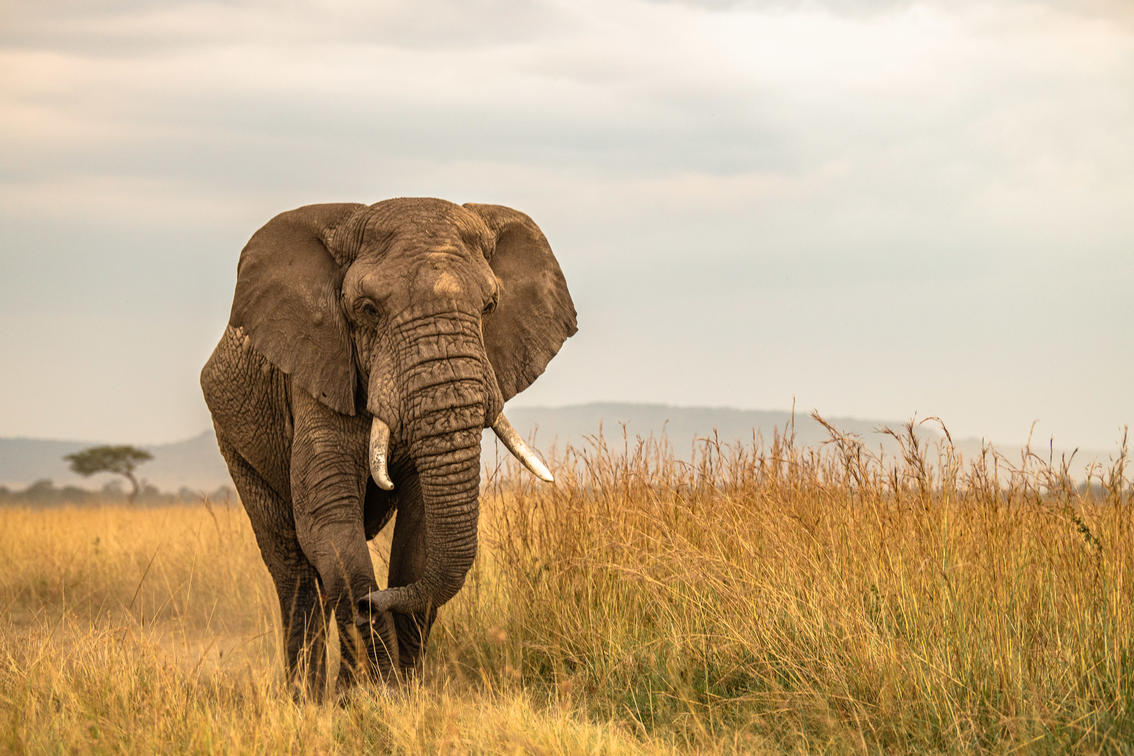
Photo: Divulge Adventures
Southern Serengeti and Ndutu
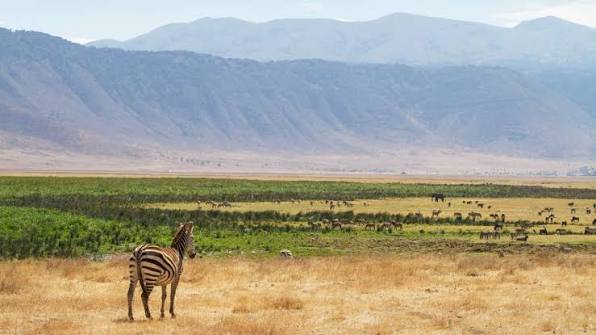
The southern plains are the heart of a Tanzania safari in January. The herds graze the mineral-rich short grass around Ndutu, Lake Masek and Kusini, and lions, cheetahs and hyenas follow them into open country. Ndutu lies inside the Ngorongoro Conservation Area rather than the national park, so fees differ by where you sleep.
Ndutu is about six hours by road from Arusha, or roughly 50 minutes by light aircraft. For week-by-week herd movements and calving detail, read our guide to the Serengeti in January, and our Great Migration month-by-month guide for the full cycle.
Ngorongoro Crater
The Ngorongoro Crater works in every month because its wildlife does not migrate. Lion, buffalo, elephant, hyena and a small population of black rhino live on the crater floor, and its position next to Ndutu makes it the natural partner for the southern plains on a Tanzania safari in January. Each vehicle pays a crater service fee for every descent, so most people do one full day.
Tarangire and Lake Manyara
Tarangire is famous for its baobabs and big elephant herds, which gather along the Tarangire River in the dry months. On a Tanzania safari in January, many elephants spread out into the wider landscape after the rains, yet the park remains rewarding for birds and scenery. Lake Manyara suits a half day on the drive west. See our Tanzania northern circuit itinerary for how the parks connect.
Are the Southern Parks Worth Visiting in January?
The southern parks are worth visiting in January if you are a repeat visitor who wants space, birds and green scenery. Ruaha and Nyerere are in their green season, with hotter days, heavier rain as the month goes on and game more spread out than in the dry months, but with very few vehicles.
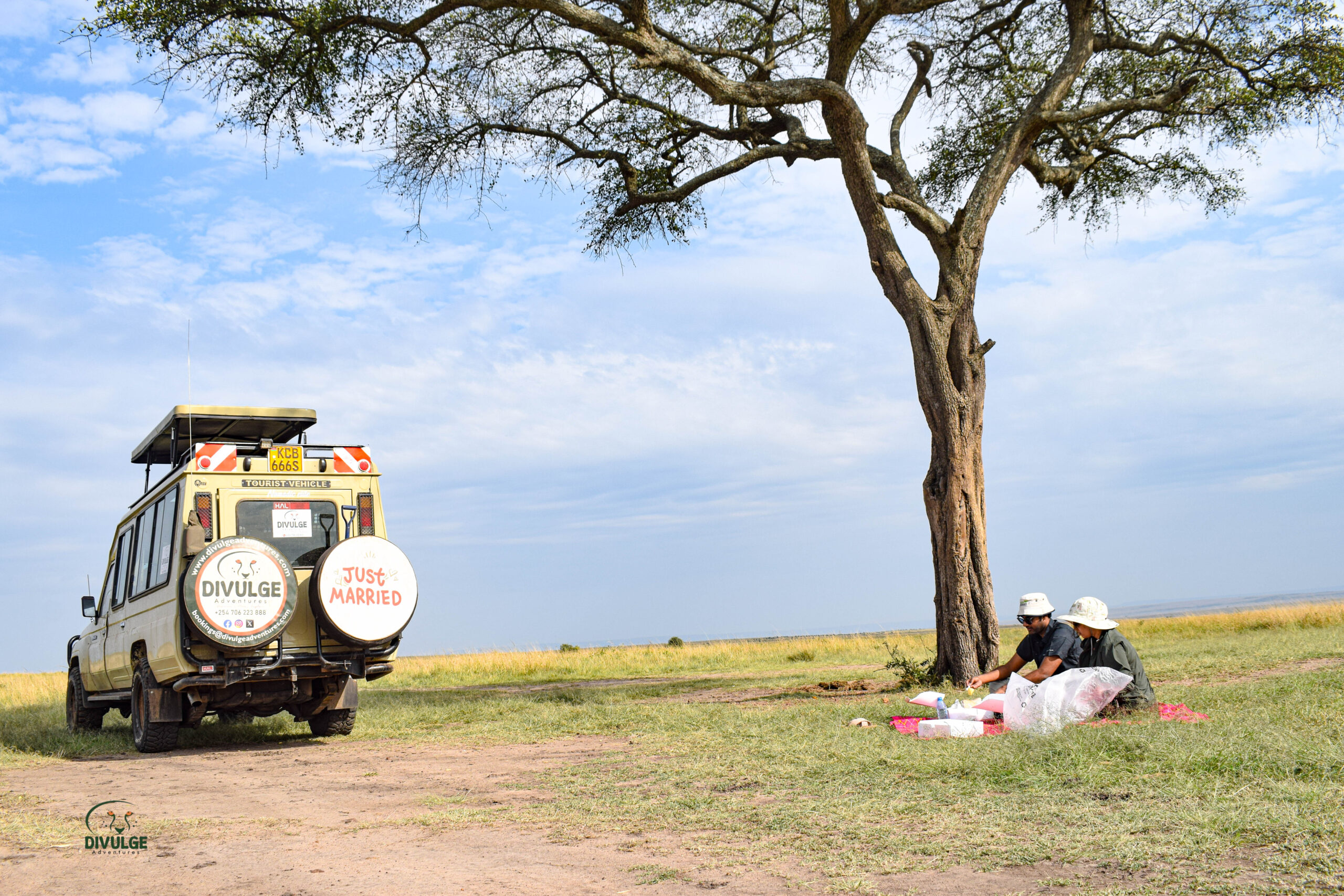
Photo: Divulge Adventures
Ruaha alone records more than 530 bird species, and January is a good month for newborn antelope and migrant birds. Many southern camps stay open through January and close later in the wet season, usually somewhere between March and May, so check camp dates before you commit. Our southern circuit Tanzania safari guide explains routes and flights.
For a first Tanzania safari in January, the northern circuit is the safer bet; the south rewards travellers who have already seen the Serengeti.
Can You Climb Kilimanjaro or Visit Zanzibar in January?
Yes. January is one of the best months to combine a Tanzania safari with Kilimanjaro or Zanzibar. The short dry season gives Kilimanjaro clear summit mornings, and Zanzibar enjoys hot, sunny weather with calm, clear water for snorkelling and diving.

Photo by Crispin Jones on Unsplash
Kilimanjaro in January
Kilimanjaro rises to 5,895 m, and January to early March is one of its two main climbing windows, alongside June to October. Expect cold summit nights and some cloud on the lower slopes, but fewer climbers than in August. The conservation fee alone is about US$82.60 per climber per day including VAT (checked October 2026), so route length affects cost.
Most people pair the climb with a Tanzania safari in January by climbing first and resting their legs on game drives. Our guide to climbing Mount Kilimanjaro covers the Machame route and altitude sickness, and our Kilimanjaro and mountain climbing packages show the trips we run.
Zanzibar after your safari
Zanzibar is the easiest add-on to a Tanzania safari in January: hot, around 32-33°C, with low rainfall and good underwater visibility around Mnemba Atoll and the north coast. Revolution Day on 12 January is a public holiday with celebrations in Stone Town. Our Zanzibar beach holiday extension guide compares the island’s coasts.
How Much Does a Tanzania Safari in January Cost?
A Tanzania safari in January costs roughly US$250-350 per person per night on a camping budget, US$400-650 in mid-range lodges and US$900-1,500 or more in luxury camps, with park fees included. Rates peak over New Year, and calving-season camps in the south charge high-season prices all month.
The figures below are estimates for a Tanzania safari in January per person per night, sharing, for a private safari with vehicle, guide, meals and park fees. They are built from current park fees and typical published lodge rate bands, not Divulge package prices, so use them as a planning guide only.
| Style | 1-5 January (estimate) | 6-31 January (estimate) |
|---|---|---|
| Budget camping | US$300-400 per person per night | US$250-350 per person per night |
| Mid-range lodges and tented camps | US$500-800 per person per night | US$400-650 per person per night |
| Luxury camps and lodges | US$1,100-2,000+ per person per night | US$900-1,500+ per person per night |
Fixed costs on a Tanzania safari in January
January is high season for Tanzania’s park fees. The Serengeti charges US$82.60 per adult per 24 hours from 16 May to 14 March, the Ngorongoro Conservation Area US$70.80 plus US$295 per vehicle for each crater descent, and Tarangire and Lake Manyara US$59 (all including VAT, checked October 2026). Our Tanzania park fees breakdown explains concession fees.
Entry costs come on top. Most nationalities pay US$50 for a single-entry eVisa and US citizens US$100 (checked October 2026); see our Tanzania visa guide. Since 1 October 2026 foreign visitors also need the US$44 inbound travel insurance, valid for up to 92 days, as set out in this embassy notice on Tanzania’s mandatory travel insurance. Confirm all fees on the Tanzania National Parks website before booking.
See our Tanzania safaris for January
Browse tailor-made Tanzania itineraries with private 4×4 vehicles, expert local guides and routes planned around the herds on the southern plains.
How Many Days Do You Need for a Tanzania Safari in January?
Six to eight days is ideal for a Tanzania safari in January. That covers a night in Arusha, Tarangire, the Ngorongoro Crater and three or four nights in the southern Serengeti or Ndutu, which gives you time to find the herds even when showers move them. Add four to five nights for Zanzibar.

Photo: Divulge Adventures
| Days | Suggested route | Best for |
|---|---|---|
| 5-6 days | Tarangire, Ngorongoro Crater, Ndutu or southern Serengeti | Short trips and first-timers |
| 7-8 days | Tarangire, Ngorongoro, Ndutu and central Serengeti | Calving and predators with flexibility |
| 10-12 days | Northern circuit safari plus a Zanzibar beach stay | Families and honeymooners |
| 14-16 days | Kilimanjaro climb, short safari and Zanzibar | Active travellers with time |
Our 6-day northern Tanzania safari covers the essentials in under a week, and the 8-day Tanzania and Zanzibar safari and beach trip pairs the parks with the island. Both can be adjusted for a Tanzania safari in January so your nights in the south match the herds.
If you are still choosing a month, compare this with our Tanzania safari in December guide and our best time of year to visit Tanzania overview.
Insider Tips
- Book the south early: For a Tanzania safari in January, Ndutu and southern Serengeti camps for the last week sell out first, often 6-9 months ahead
- Avoid New Year if you can: Travelling from about 6 January brings lower rates and quieter camps
- Split your nights: Two bases, such as Ndutu and the central Serengeti, cover you if rain moves the herds
- Buy the insurance before you fly: Get the US$44 inbound policy online in advance so arrival is quick
- Pack for two climates: A warm layer for the crater rim and light clothing for Zanzibar
- Do one crater day: The crater fee is per vehicle, so a single full descent is the best value
Let us plan your safari
Tell us your dates, budget and dream sightings, and our Nairobi team will send you a free tailor-made itinerary and quote.
Frequently Asked Questions
Is January a good month for a Tanzania safari?
Yes, January is one of the best months for a Tanzania safari. The short dry season brings mostly sunny weather, the migration herds gather on the southern Serengeti and Ndutu plains, and calving begins late in the month. It is high season, so book southern camps early and expect higher rates over New Year.
Where is the Great Migration in January?
In January the Great Migration is usually on the short-grass plains of the southern Serengeti and the Ndutu area of the Ngorongoro Conservation Area. The herds drift between these plains as rain falls, and calving starts towards the end of the month before peaking in February. There are no river crossings in January.
Does it rain in Tanzania in January?
Tanzania gets some rain in January, but it is the short dry season, so most days are sunny. Showers in the northern parks are usually brief and fall in the afternoon or at night. The southern parks such as Ruaha and Nyerere are wetter, with rain increasing through the month, while Zanzibar has low rainfall.
How much does a Tanzania safari in January cost?
A Tanzania safari in January costs roughly US$250-350 per person per night on a camping budget, US$400-650 in mid-range lodges and US$900-1,500 or more at luxury camps, including park fees. These are estimates, not package prices. Rates are highest from 1 to 5 January, and the Serengeti fee is US$82.60 per adult per 24 hours.
Can I combine a January safari with Kilimanjaro or Zanzibar?
Yes, January suits both add-ons. Kilimanjaro is in one of its two main climbing windows, with clear summit mornings, and Zanzibar is hot and sunny with calm water for snorkelling. Most travellers climb first, then go on safari and finish on the beach, which needs about 14 to 16 days in total.
Final Thoughts
A Tanzania safari in January gives you dry-season comfort, green landscapes and the migration herds on open southern plains just as calving begins, with Kilimanjaro and Zanzibar both in good shape. The best camps for late January go early, so the sooner you settle your dates, the more choice you will have.
Send us your travel dates and the kind of trip you have in mind, and our Nairobi team will shape a January route around the herds, your budget and any beach or mountain add-on.
Wondering where the herds will be on your January dates?
Chat with a Divulge Adventures safari consultant on WhatsApp for honest advice, a quick answer and a quote built around you.