How hard is gorilla trekking? For most reasonably active people it is a moderate, sometimes tough hike: one to four hours of walking in total, on steep, muddy forest slopes between roughly 1,200 and 3,500 metres. It is not a technical climb, but altitude, mud and the gorillas’ unpredictable position decide how demanding your day turns out.
That uncertainty worries people who are about to pay US$1,500 for a Rwanda permit or US$800 for a Uganda one. This guide answers “how hard is gorilla trekking?” part by part: trek times, altitude, Rwanda versus Uganda, and a simple plan to arrive ready.
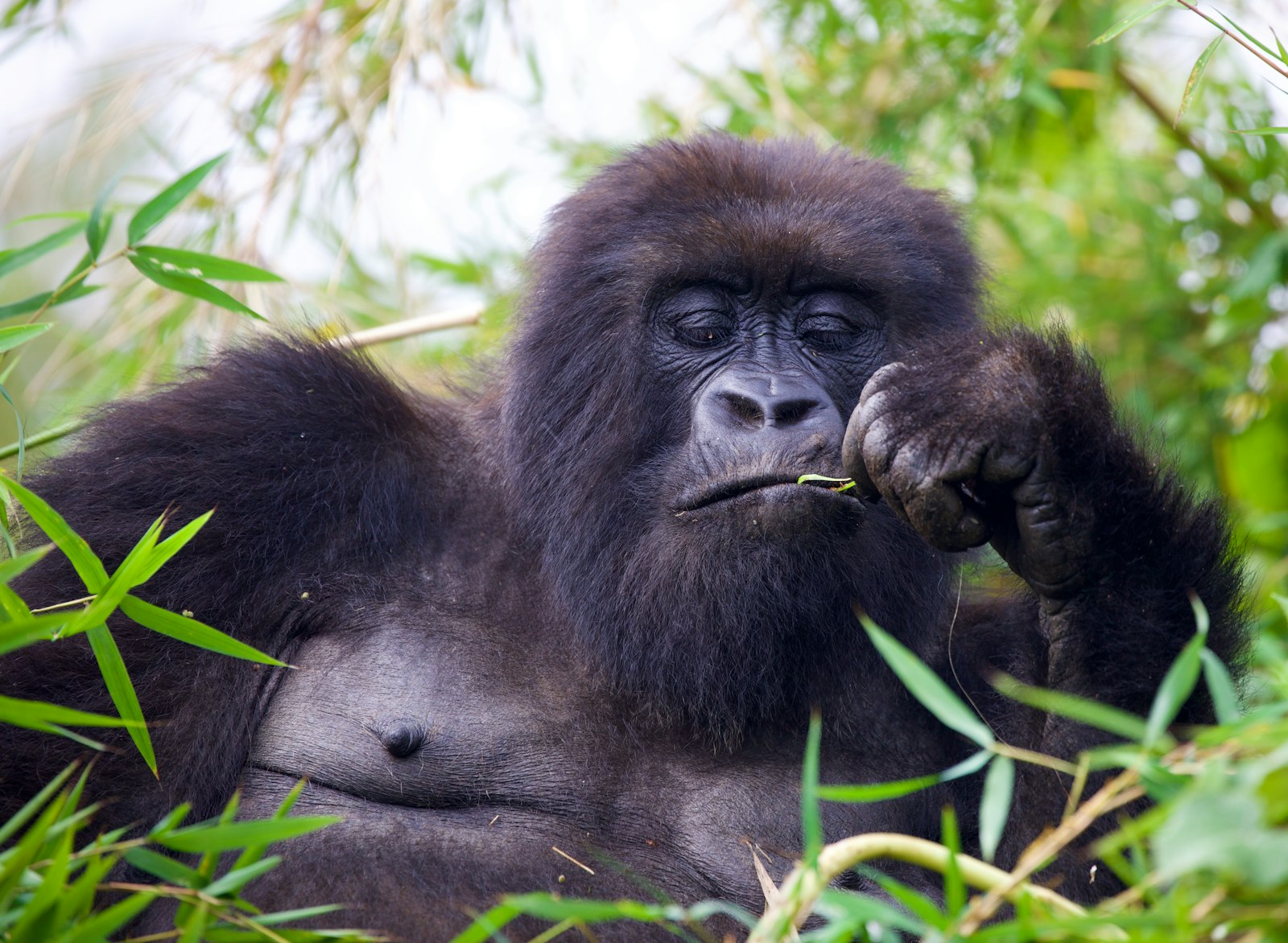
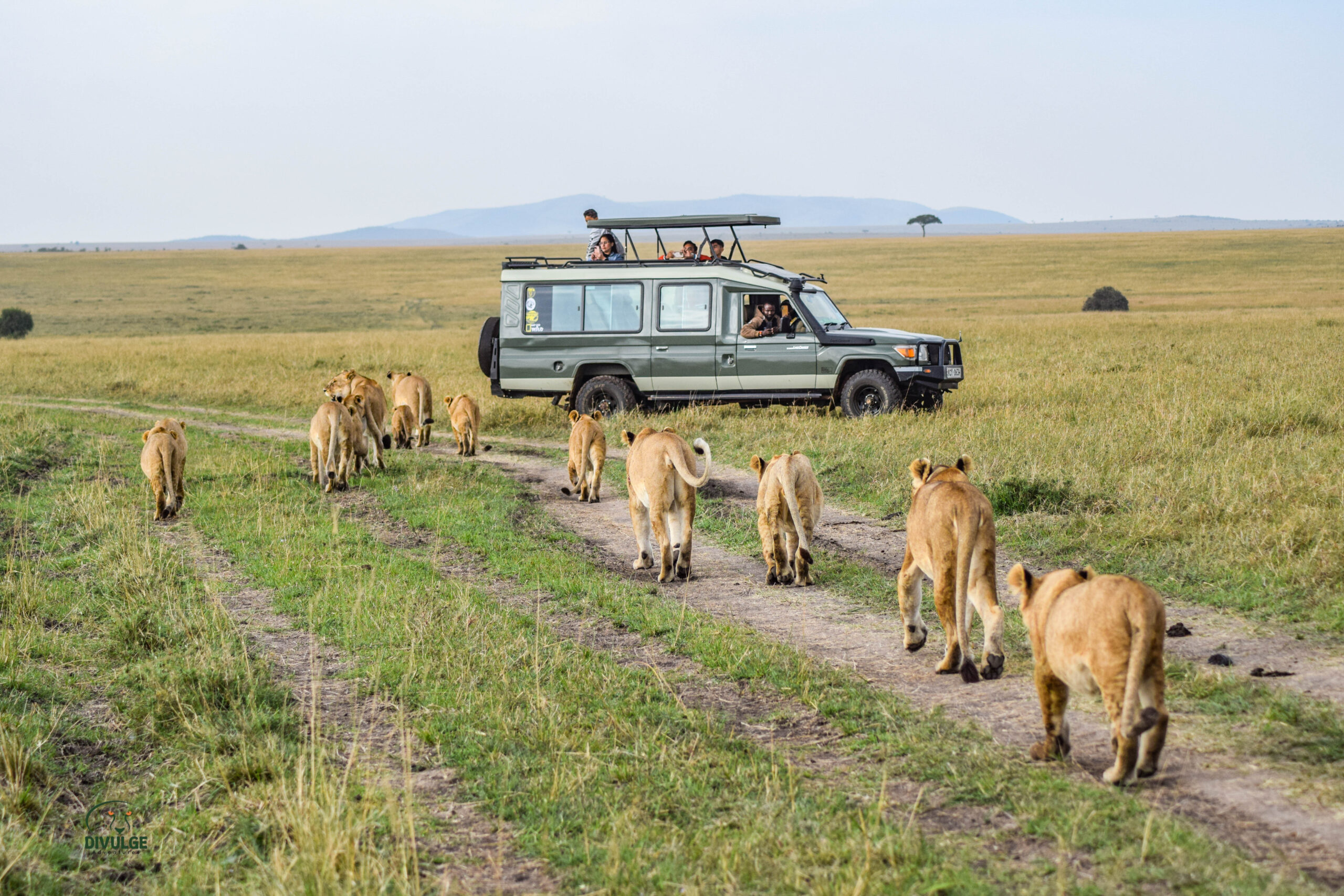
Photo: Divulge Adventures
Quick Facts
- How hard is gorilla trekking: Moderate for most active adults; strenuous on long days or in heavy rain
- Time on foot: 30 minutes to about 4 hours to reach the family, one hour with them, then the walk back; rarely 6-8 hours in total
- Altitude: About 2,400-3,500 m on most Volcanoes National Park treks; 1,160-2,607 m across Bwindi
- Minimum age: 15 years in both Rwanda and Uganda
- Group size: Up to 8 visitors per gorilla family
- Permits: US$1,500 in Rwanda, US$800 in Uganda for foreign non-residents (checked October 2026); rates change, so confirm for your trek date before booking
- Biggest help: A porter, a walking stick and asking for a family that suits your fitness
How Hard Is Gorilla Trekking, Really?
Gorilla trekking is hard in short bursts rather than all day. Expect steep climbs on soft, slippery ground, thin air in Rwanda, nettles and vines in the way, and a pace set by the gorillas rather than by you. Someone who walks an hour most days will cope; someone who rarely walks will find it a serious effort.
Ready to go? Book your customized safari instantly on WhatsApp — we'll take it from there.
 Book
Instantly on
Two treks on the same morning can differ hugely. One group may reach its family in 40 minutes through farmland and bamboo; another may climb for three hours because its family moved overnight. The honest reply to “how hard is gorilla trekking?” therefore depends partly on luck and partly on which family you are given.
What makes a gorilla trek feel difficult
Four things decide the effort. Gradient matters most, as many trails climb with no switchbacks. Mud turns gentle slopes into slides. Altitude adds breathlessness, especially in Rwanda. And off-trail sections mean pushing through branches, roots and vines where trackers cut a path.
None of this needs climbing skills or ropes. It is muddy hill walking, only higher and steeper in places, with a silverback waiting at the end.
How Long Does a Gorilla Trek Take?
A gorilla trek usually takes between one and five hours in total, including the hour with the family. Reaching the gorillas can take from 30 minutes to around four hours, and on unusual days much longer. Trackers set out at dawn to find each family, so guides know roughly how far away it is before you start walking.
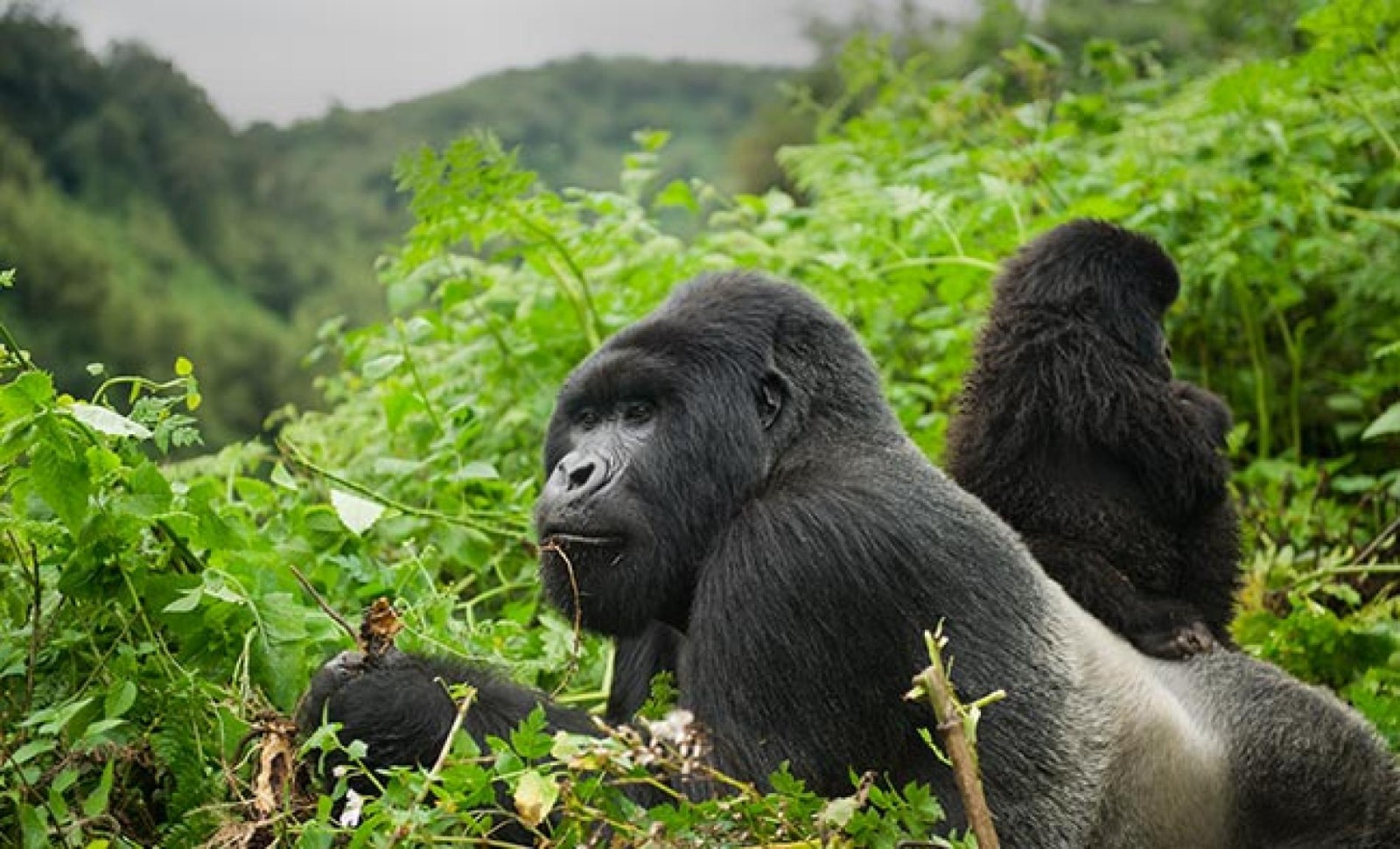
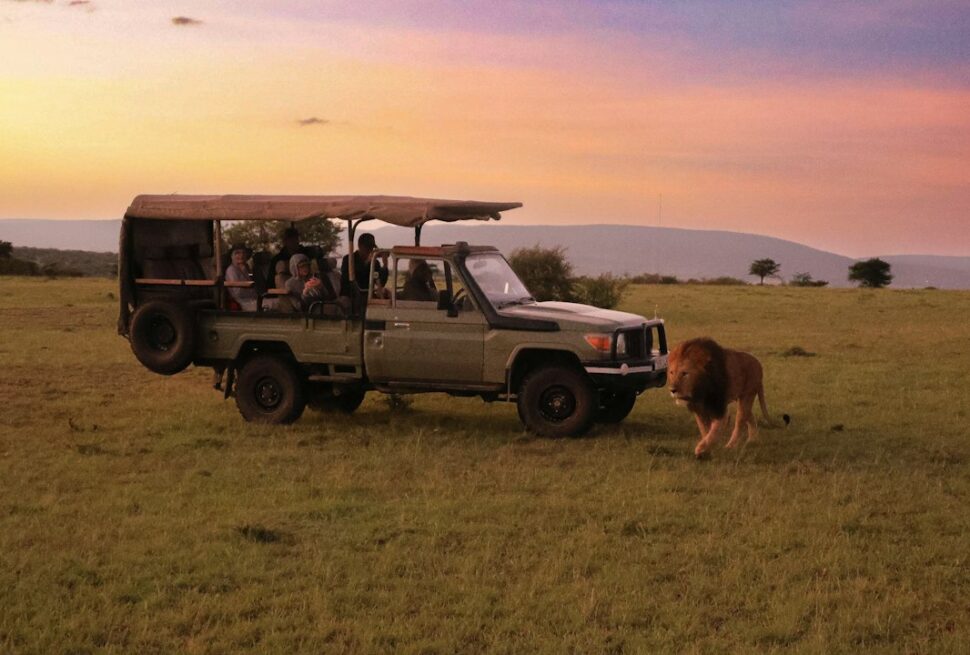
Photo: Divulge Adventures
In Rwanda you report at Kinigi park headquarters by 07:00 for a briefing, then drive 15 minutes to 1.5 hours to your family’s trailhead. Lodge guidance published in 2026 puts the walk in at 30 minutes to eight hours, though eight is rare.
| Trek type | Time to reach gorillas | What it feels like |
|---|---|---|
| Short | 30-90 minutes | Farmland edge, then a short climb into bamboo; most people find it comfortable |
| Medium | 1.5-3 hours | Sustained uphill on muddy paths with rests; breathing hard at times |
| Long | 3-4 hours or more | Steep, higher ground, off-trail sections; a full day out with a tiring descent |
The walk back is quicker but harder on the knees. Allow the full day and carry lunch, even if you hope for a short trek.
How hard is gorilla trekking in the rainy season?
Gorilla trekking in the rainy months, roughly March to May and October to November, is noticeably harder because paths turn to slick mud. Treks still run all year; pack gaiters and expect a slow descent.
Is Gorilla Trekking Harder in Rwanda or Uganda?
Gorilla trekking in Uganda’s Bwindi is usually harder underfoot, while Rwanda’s Volcanoes National Park is harder on the lungs. Bwindi is a steep, tangled rainforest of ridges and valleys between about 1,160 and 2,607 metres. Volcanoes National Park climbs the Virunga volcanoes, with most treks between roughly 2,400 and 3,500 metres.
| Factor | Volcanoes NP, Rwanda | Bwindi, Uganda |
|---|---|---|
| Altitude on treks | About 2,400-3,500 m | About 1,160-2,607 m across the park |
| Terrain | Farmland, then bamboo and volcano slopes; can be very muddy | Dense forest, steep valleys, many off-trail sections |
| Permit (foreign non-resident) | US$1,500 (checked October 2026) | US$800 (checked October 2026) |
In practice, the answer to “how hard is gorilla trekking?” depends more on your family than your country. If ease is your priority, Rwanda’s shorter drive and easier forest edge usually help. Our Bwindi gorilla trekking guide explains how its four sectors differ, and our complete guide to gorilla trekking in Rwanda covers permits, seasons and the families of Volcanoes National Park.
Does Altitude Make Gorilla Trekking Harder?
Altitude is a big part of the answer to “how hard is gorilla trekking?” in Rwanda, where you climb above 2,500 metres on many treks. Expect to breathe harder and walk slower than you would at home. Serious altitude sickness is uncommon because you only spend a few hours that high and sleep lower down.
The CDC Yellow Book guidance on high-altitude travel places the risk of altitude illness mainly with travellers who sleep at 2,450 metres or higher (checked October 2026). A day climb from a lower lodge carries far less risk, though puffing on steep sections is normal. With a heart or lung condition, see your doctor before booking.
How hard is gorilla trekking if you arrive straight from the coast?
Arriving from sea level the day before is fine for most people, but a night in Kigali and another near the park gives your body time to adjust and avoids a 4 a.m. start after a long flight.
Can You Ask for an Easier Gorilla Family?
You can ask for an easier gorilla family, the quickest way to change the answer to “how hard is gorilla trekking?” for you. In Rwanda, families are allocated at the morning briefing at Kinigi, partly according to visitors’ fitness. Tell your driver-guide the night before; they will speak to the rangers for you.
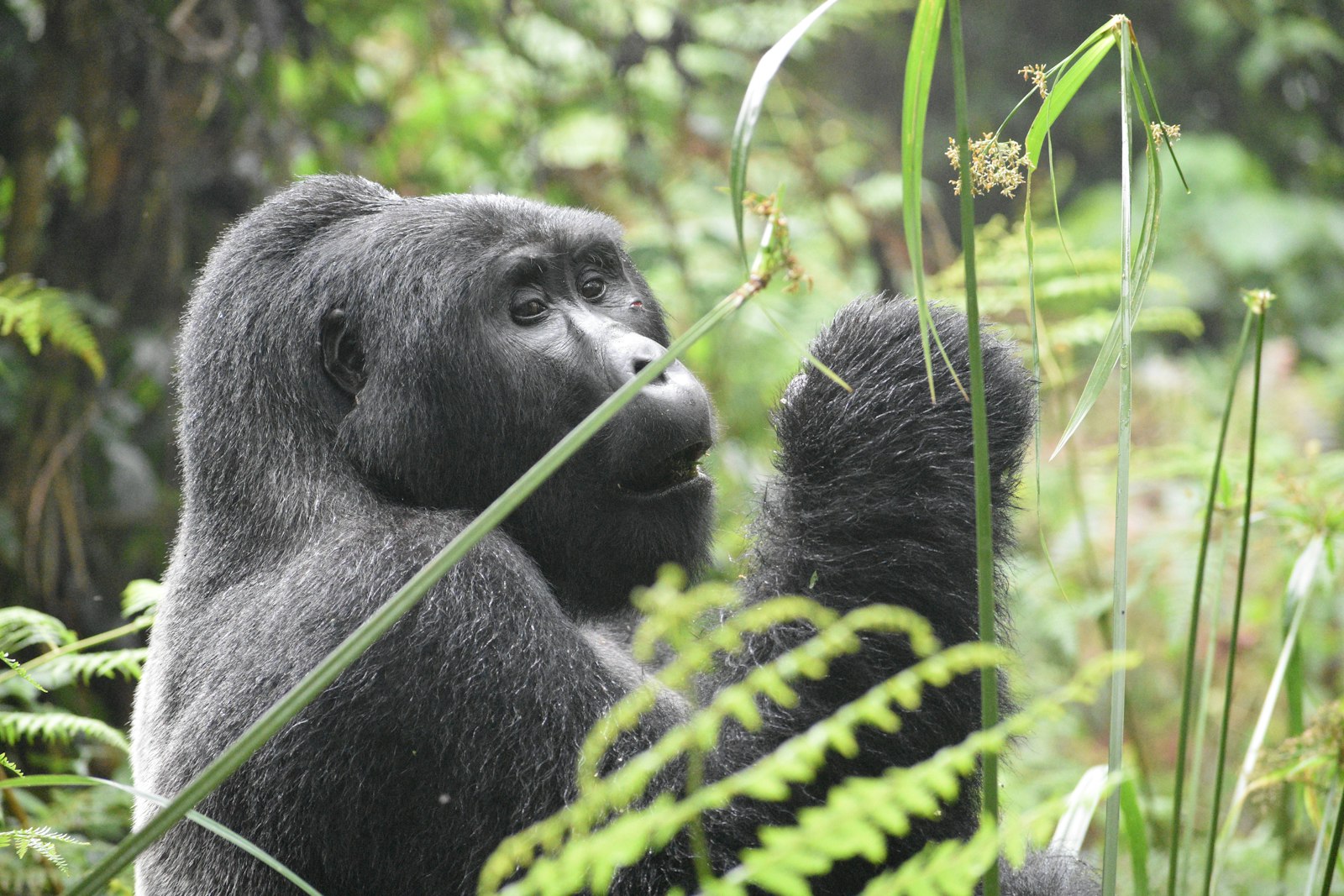
Photo: Divulge Adventures
There is no guarantee, because gorillas move and groups are filled on the day, but a clear request usually places slower walkers with a family nearer the park edge.
Porters and walking sticks
Porters are the single best way to make a trek easier: ask returning trekkers “how hard is gorilla trekking?” and those who hired one give the gentler answer. Porters carry your daypack, pull you up steep banks and steady you on the way down. Lodges near the park advise budgeting at least US$25 in cash per porter (checked October 2026), and the money goes to local people living beside the forest. Walking sticks are handed out at the trailhead, and you should take one even if you never use poles at home.
How to Prepare for a Gorilla Trek in Six Weeks
Training changes the answer to “how hard is gorilla trekking?” more than anything else you control. Walk more, walk uphill and walk in your trekking boots: six to eight weeks of steady build-up turns a hard day into an enjoyable one for most people.
| Weeks | Focus | Example sessions |
|---|---|---|
| 1-2 | Base walking | Brisk 45-60 minute walks, 4 days a week |
| 3-4 | Hills and stairs | Add 2 hill or stair sessions of 30-40 minutes; one 2-hour weekend walk |
| 5-6 | Trek rehearsal | A 3-4 hour hilly walk with a daypack in your boots; step-ups and squats for knees |
Gear that makes the trek easier
Good kit removes half the difficulty. Wear broken-in waterproof boots with deep grip, long trousers tucked into socks against ants and nettles, and long sleeves. Pack a rain jacket, gardening gloves, two litres of water and snacks. Our safari packing list covers the rest of the clothing for a combined trip.

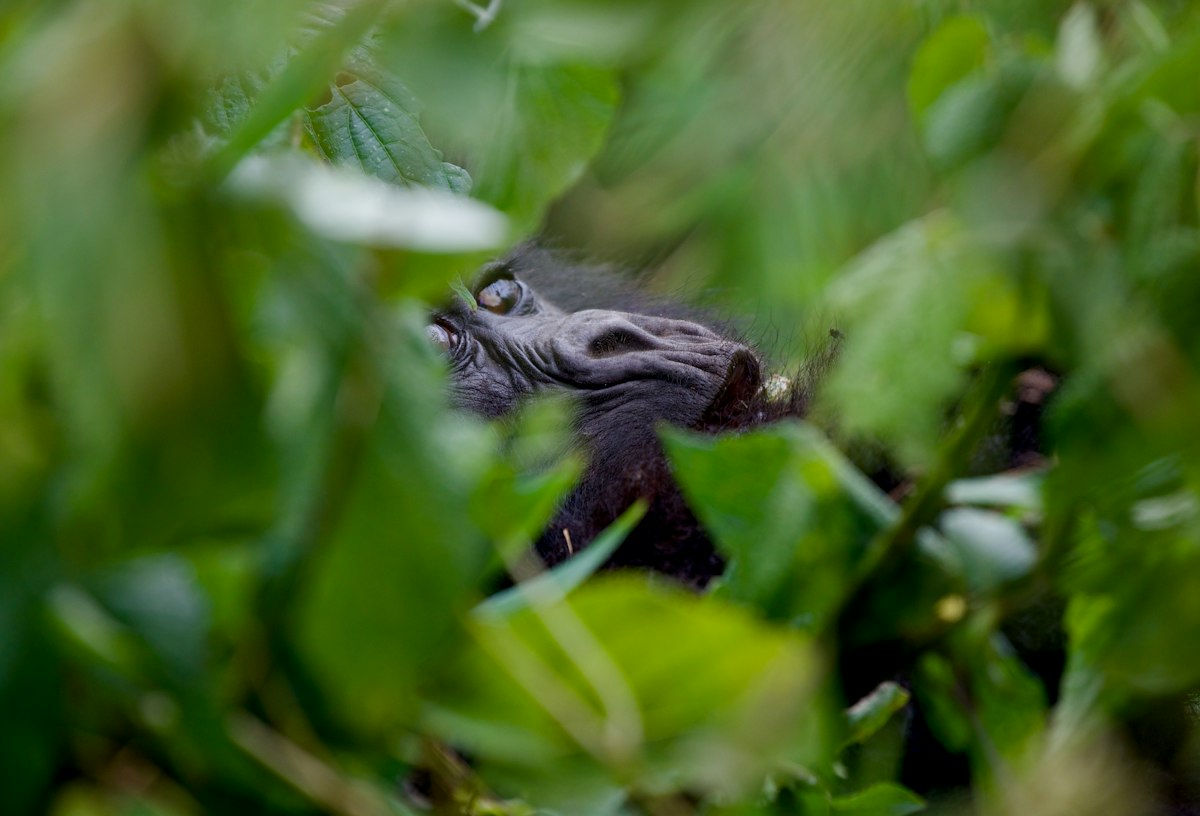
Photo by Thomas Marquize on Unsplash
Plan a gorilla trek that suits your pace
Tell us your fitness, dates and budget, and we will build a Rwanda gorilla itinerary with the right nights and a guide who speaks up for you at the briefing.
Insider Tips
- Book two treks: A second permit, as on our 4-day double gorilla trekking safari, takes the pressure off if your first day is wet or very long
- Sleep near the park: A same-day trip like our 1-day gorilla trekking tour from Kigali works for fit travellers, but a night near Kinigi makes the day gentler
- Warm-up hike: The golden monkey walk is shorter and gentler; our golden monkey trekking guide explains how it works
Who Should Think Twice About a Gorilla Trek?
For most people the answer to “how hard is gorilla trekking?” is “manageable”, but some should plan carefully. Anyone under 15 cannot trek, and travellers with serious heart, lung, knee or hip problems should get medical advice first. Rangers can also stop visibly ill visitors, because gorillas catch human colds and flu.
If mobility is limited, talk to us before you buy a permit. A Rwanda gorilla permit is expensive and only partly refundable, so discuss a closer family, extra porters and a slower itinerary first.
How hard is gorilla trekking for older travellers?
For older travellers, mobility matters more than age, and there is no upper age limit. Active walkers in their sixties and seventies usually manage well with a porter, a stick and a request for a nearby family.
How hard is gorilla trekking for teenagers?
Teenagers aged 15 and over are usually the strongest walkers in the group. Their challenge is patience: an early start, a long briefing and strict quiet near the gorillas.
For trips that put the gorillas at the centre, browse our Rwanda gorilla trekking safaris and gorilla trekking safari tours. Uganda’s rules are published by the Uganda Wildlife Authority.
Let us plan your safari
Tell us your dates, budget and dream sightings, and our Nairobi team will send you a free tailor-made itinerary and quote.
Frequently Asked Questions
How hard is gorilla trekking for an average person?
Gorilla trekking is a moderate hike for an average person who walks regularly. Most treks take one to four hours in total on steep, muddy forest paths at altitude. You do not need to be an athlete, and a porter, a walking stick and an honest word with the guide make the day far easier.
How long is a gorilla trek in Rwanda?
A gorilla trek in Rwanda usually takes 30 minutes to four hours to reach the family, then one hour with them and the walk back. On rare days the full trek lasts six to eight hours. You report at Kinigi by 07:00, and most people are back at their lodge by mid afternoon.
Can older travellers do gorilla trekking?
Older travellers can do gorilla trekking: there is a minimum age of 15 but no maximum. General mobility matters more than age. If you can walk uphill on uneven ground for two hours with rests, ask for a closer family, hire a porter and take your time.
How hard is gorilla trekking in Uganda compared with Rwanda?
Gorilla trekking is usually harder underfoot in Uganda’s Bwindi, where the forest is denser and the valleys steeper, though the altitude is lower. Rwanda’s Volcanoes National Park is higher, about 2,400 to 3,500 metres on most treks, but its trails start in farmland and are often less tangled.
How hard is gorilla trekking without any training?
Gorilla trekking without training is possible for active people, but six to eight weeks of regular walking makes a real difference. Aim for brisk hour-long walks, hill or stair work twice a week and a longer weekend walk in your trekking boots.
Final Thoughts
So how hard is gorilla trekking? Harder than a park stroll and easier than most people fear: a few hours of steep, muddy walking at altitude that a reasonably active person can manage with a porter and a steady pace. Train a little, ask for the right family and give yourself a night near the park.
Unsure whether your fitness suits a particular trek? Ask us before you buy a permit, and we will give you an honest answer.
Still wondering how hard is gorilla trekking for your fitness?
Chat with a Divulge Adventures safari consultant on WhatsApp for honest advice, a quick answer and a quote built around you.