A Botswana safari means exploring wild, low-density wilderness: the Okavango Delta by mokoro and light aircraft, elephant-packed Chobe, predator-rich Moremi and the vast Kalahari pans. Plan seven to ten nights, travel between June and October for classic game viewing, and budget more than in East Africa, because Botswana deliberately keeps visitor numbers low.
The hard part is not deciding whether to go but working out how the pieces fit: which regions match your wish list, when the water arrives, how camps are reached and what a realistic budget looks like. This guide, written by our Nairobi safari team, answers those questions in order, with honest trade-offs and verified fees.

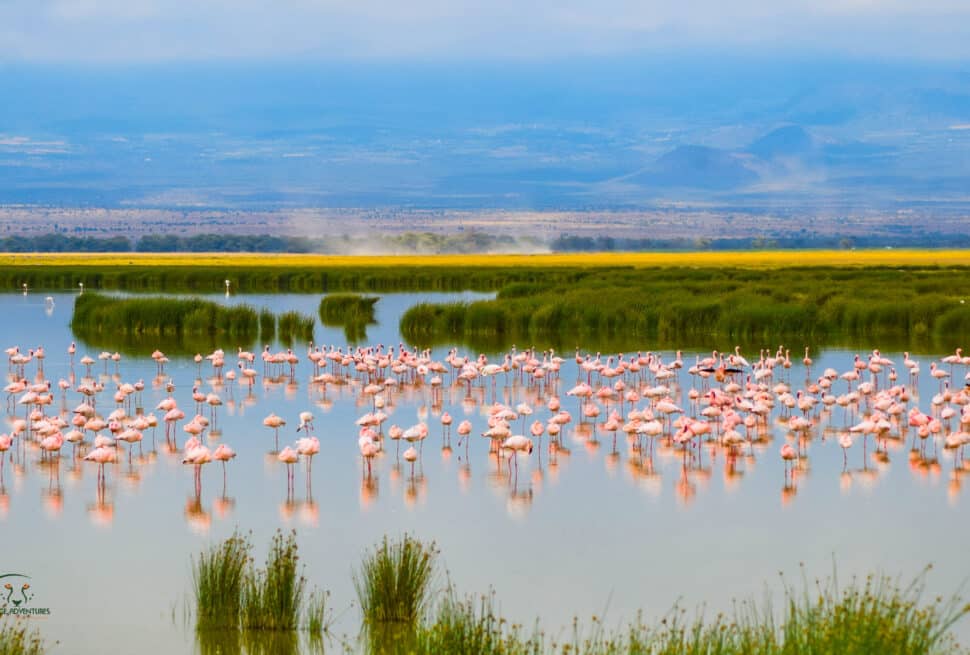
Photo: Divulge Adventures
Quick Facts
- Main regions: Okavango Delta, Moremi Game Reserve, Chobe National Park, Linyanti and Savuti, Makgadikgadi and Nxai Pans, Central Kalahari
- Best months: June to October for the delta and Chobe; December to March for the Kalahari and pans
- Gateways: Maun for the delta and Moremi, Kasane for Chobe; both have direct flights from Johannesburg
- Park fees: BWP 270 per international adult per day in Chobe and Moremi (checked October 2026)
- Ideal length: 7-10 nights for two or three areas
- Health: malaria risk in the north; antimalarials usually advised
- Style: small camps, private concessions, many fly-in transfers
What Makes a Botswana Safari Different From East Africa?
A Botswana safari is built around low numbers and water. The government has long favoured small, high-value camps over mass tourism, so you share sightings with few vehicles, and the Okavango lets you explore by mokoro, boat and on foot as well as by 4×4.
Ready to go? Book your customized safari instantly on WhatsApp — we'll take it from there.
 Book
Instantly on

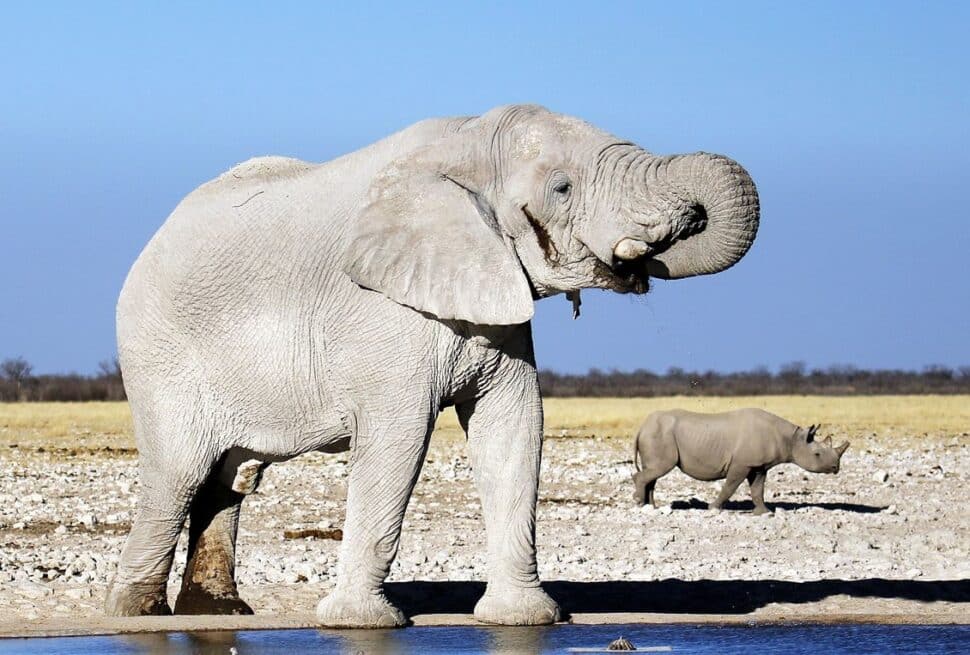
Photo by Ed Wingate on Unsplash
Coming from Kenya or Tanzania, the contrast with a Botswana safari is striking. There is no single migration spectacle like the Mara River crossings, and the big parks are not ringed by dozens of lodges. Instead, much of northern Botswana is split into private concessions leased to a handful of camps, each with exclusive use of its area.
The activities that set it apart
Concession camps can do things national parks often restrict. Expect a wider menu than the classic morning and afternoon game drive:
- Mokoro trips: gliding through papyrus channels in a dugout-style canoe, poled by a local guide, with reed frogs, lilies and the occasional elephant on the bank.
- Motorboat cruises: on the Chobe River and the deeper delta channels, ideal for elephants, hippos and birdlife.
- Guided walks: on delta islands with an armed or highly trained guide, focused on tracks, plants and smaller creatures.
- Night drives and off-road tracking: allowed in many private concessions, which helps with leopards, wild dogs and nocturnal species.
The trade-off on a Botswana safari is price and logistics. You pay for that exclusivity, and moving between remote camps usually means small aircraft rather than a road transfer. Our post on how Botswana compares with Namibia covers the same question from a self-drive angle.
Which Regions Should You Combine?
Most first-time itineraries combine a wet area with a dry one: a delta or Moremi camp for water and predators, plus Chobe for elephants. Add the Makgadikgadi Pans or Central Kalahari if you travel in the rains or want desert scenery and a sense of real remoteness.

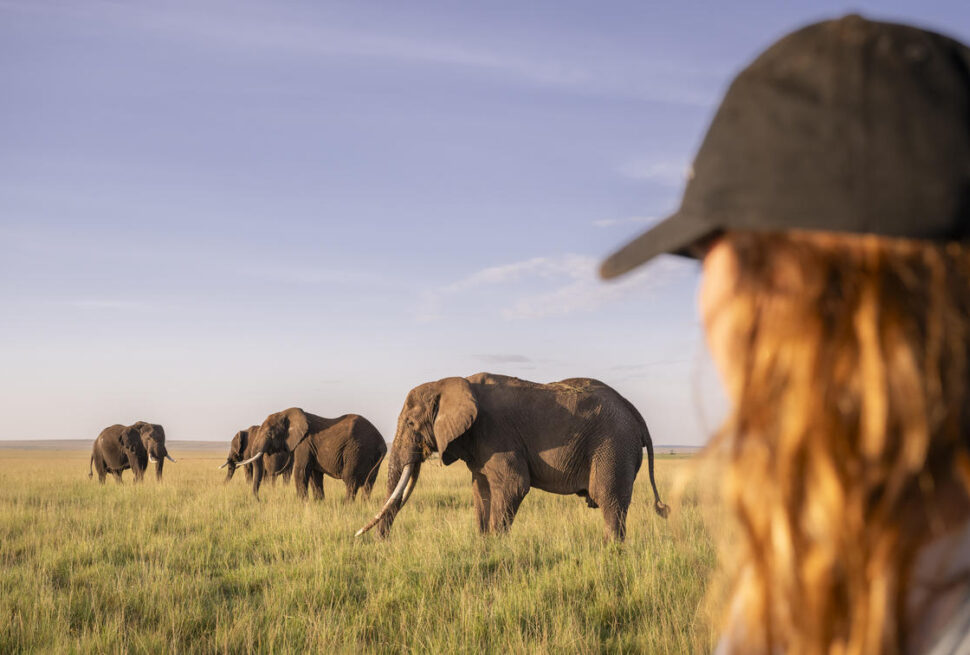
Photo by Mike Koss on Unsplash
Okavango Delta
The Okavango Delta is a huge inland delta in the north-west, fed by rain that falls in the Angolan highlands. It was listed as a UNESCO World Heritage Site in 2014, and the Botswana Tourism guide to the Okavango Delta is a good official overview. On a Botswana safari, water camps focus on mokoro and boat trips; land camps on islands and floodplains offer strong game drives as well.
Moremi Game Reserve and Khwai
Moremi protects the eastern side of the delta, including Chief’s Island, and is one of the few places where you can drive into delta habitat inside a public reserve. Next door, the Khwai community area is known for lions, leopards and wild dogs, and allows night drives. Our 8-day Moremi and Northern Exploration trip spends real time in this corner.
Chobe National Park: riverfront, Savuti and Linyanti
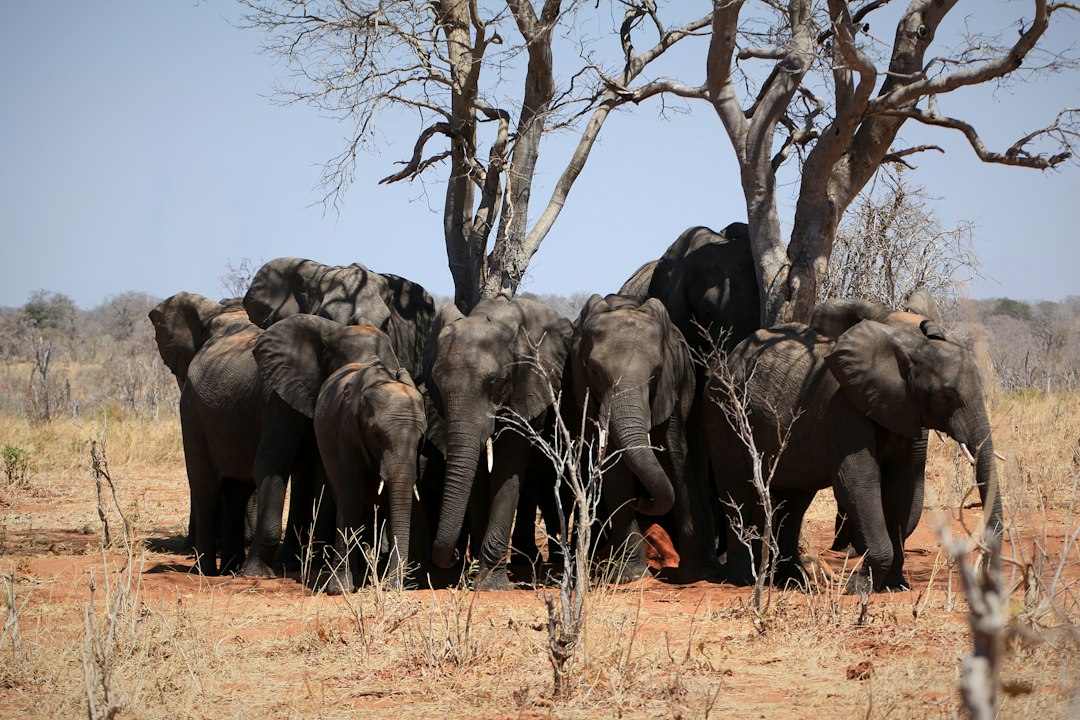
Chobe is the elephant stronghold of a Botswana safari, especially along the Chobe River near Kasane in the dry months, when herds come down to drink and swim. Savuti, deeper inland, is drier and known for predators, while the Linyanti area to the west mixes marsh, river and private concessions. Our Okavango Delta vs Chobe comparison helps if you can only fit in one.
Makgadikgadi and Nxai Pans
The Makgadikgadi is a vast system of salt pans and grassland east of Maun. In the rains it hosts a zebra migration, with an estimated 20,000-plus zebras grazing the fresh grass from roughly December to March. In the dry months the pans are bleached and silent, with meerkats, desert walks and enormous night skies.
Central Kalahari Game Reserve
The Central Kalahari is one of Africa’s largest protected areas and runs on the opposite calendar to the delta. Between about November and April, rain greens the fossil river valleys, antelope give birth and black-maned Kalahari lions follow them. It suits repeat visitors and self-sufficient travellers more than a first-timer on a short trip.
When Is the Best Time to Go on a Botswana Safari?
The best time for a Botswana safari is June to October, when the Okavango floods are at their height, rain is rare and wildlife crowds around permanent water. December to March is the better choice for the Makgadikgadi and Central Kalahari, and it brings markedly lower camp rates.

Photo by Ed Wingate on Unsplash
The quirk that confuses most people planning a Botswana safari is the flood. Rain falls in Angola from about November to March, but the water takes months to travel down the panhandle and spread across the delta. That is why the delta is fullest from roughly June to August, during Botswana’s dry winter, and starts receding around September and October.
| Months | Weather | What it suits |
|---|---|---|
| January-February | Hot, heaviest rain in short storms | Pans and Kalahari: zebra, springbok, newborns, migratory birds; lowest rates |
| March-April | Rains easing, green landscapes | Last of the zebra herds; good value shoulder months |
| May | Dry, cooler nights | Delta channels start filling; rates begin to climb |
| June-August | Dry, mild days, cold mornings | Peak flood in the delta, best mokoro season, busiest months |
| September-October | Hot and dry, October often above 40°C | Animals packed around water in Chobe and Moremi; superb predator viewing |
| November-December | First rains, humid | Calving season, wild flowers, green season prices begin |
For a deeper look at the rainy months, read our guides to Botswana in December and Botswana in January. Peak-season camps can fill many months ahead, so July and August trips are best booked early.
How Much Does a Botswana Safari Cost?
A Botswana safari costs roughly US$150-300 per person per night on a budget camping trip, US$300-1,000 in mid-range camps and US$1,000-5,000 in luxury private concessions. These are estimates per person sharing, usually covering meals and activities, and green season rates are often around a third lower.

Photo: Divulge Adventures
The table below turns those nightly bands into a rough figure for a seven-night Botswana safari. Treat it as a planning guide, not a quote: rates vary by camp, season and how many people share a vehicle.
| Budget tier | Per person per night | 7-night estimate | What you get |
|---|---|---|---|
| Budget (mobile camping or self-drive) | US$150-300 | US$1,100-2,100 | Shared mobile safaris, public campsites, park-based game drives |
| Mid-range (lodges and tented camps) | US$300-1,000 | US$2,100-7,000 | Mix of national park and concession camps, shared vehicles |
| Luxury (private concessions) | US$1,000-5,000 | US$7,000-35,000 | Exclusive areas, all-inclusive stays, night drives and walks |
Fees and extras to add
Botswana’s Department of Wildlife and National Parks charges international adults BWP 270 per day in Chobe and Moremi (checked October 2026). A revised fee schedule planned for 1 April 2026 was put on hold for further consultation, with no new date announced, so confirm current fees before you book. Private concession fees are normally built into camp rates.
The other big extra is flying. A light aircraft seat from Maun to a delta airstrip typically adds a few hundred US dollars per person per leg, and international flights to Maun or Kasane go on top. Our Kenya safari cost breakdown is useful if you are weighing Botswana against an East African trip on the same budget.
See our Botswana safari packages
Browse Chobe, Khwai, Moremi and Okavango itineraries, from short mokoro adventures to week-long lodge safaris, all tailored to your dates and budget.
How Do You Get to Botswana and Between Camps?
Most travellers reach a Botswana safari through Johannesburg, then take a direct flight of roughly one and a half to two hours to Maun for the delta or to Kasane for Chobe. From Maun, small aircraft fly out to camp airstrips; Chobe and Khwai can also be reached by road.

Photo: Divulge Adventures
Light aircraft are part of the Botswana safari experience: low flights over the delta often show elephants and buffalo crossing the floodplains below. They also come with rules. Bags must be soft-sided so they fit the cargo hold, and weight limits are strict and set by each air operator, so confirm your allowance before you pack.
Fly-in, drive or a mix?
A fly-in Botswana safari is the fastest and most comfortable way to link delta camps, and it is often the only practical option in the wet areas. Overland routes suit Kasane, Chobe, Savuti and Khwai, and are how most mobile camping safaris operate. Many good itineraries mix both: road for Chobe and Khwai, a flight into the delta. See our fly-in safari packages for how this works in practice.
Coming from Victoria Falls is easy, because Kasane sits close to the falls area. That makes a Chobe-first route very popular for travellers who want to see the falls as well.
How Many Days Do You Need, and What Does a Good Route Look Like?
Seven to ten nights is the sweet spot for a first Botswana safari, giving three or four nights in each of two or three areas. Shorter trips work if you focus on one region, while two weeks lets you add the pans or the Kalahari at a relaxed pace.
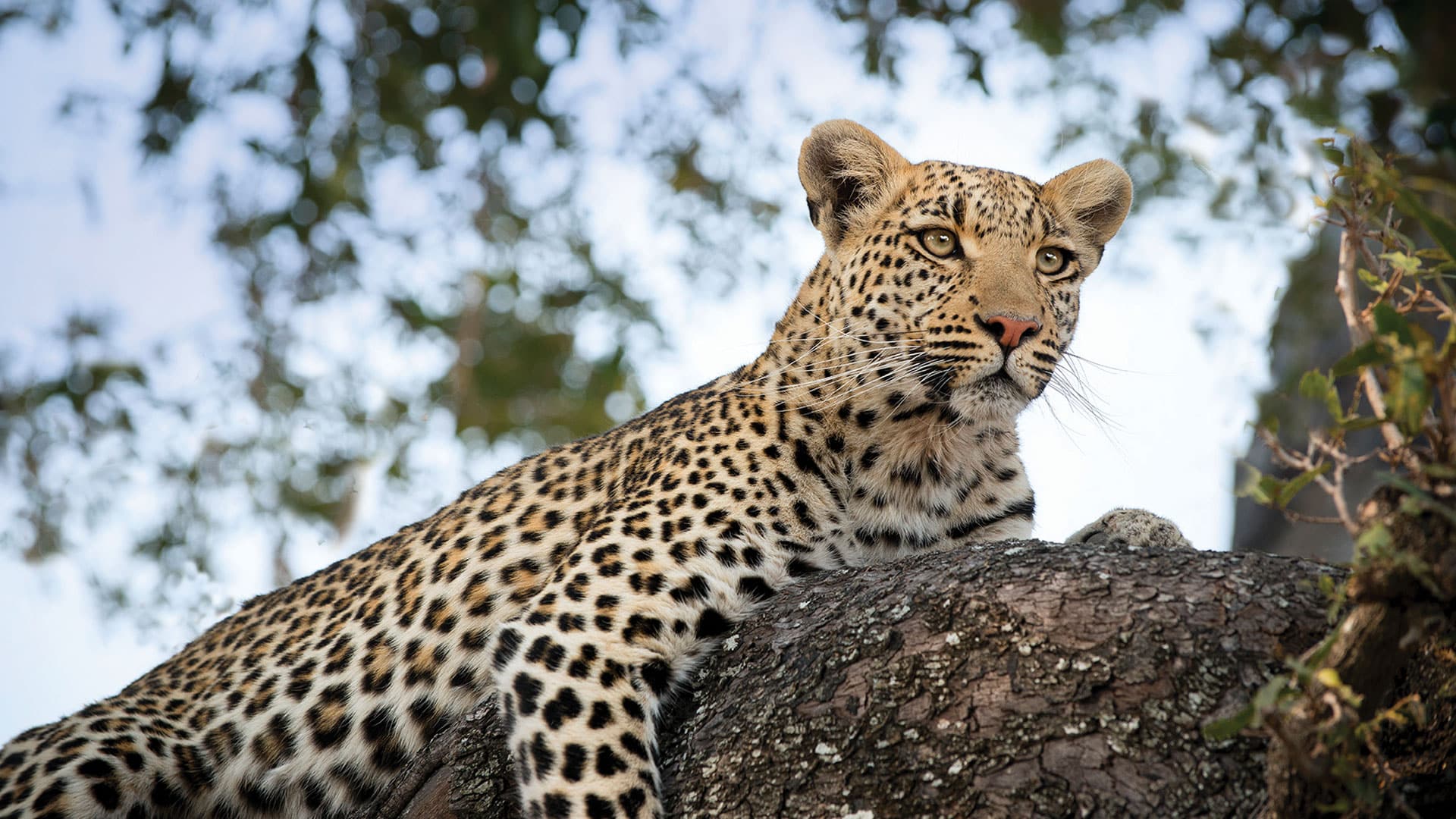
Photo: Divulge Adventures
On a Botswana safari, avoid the temptation to cram in a new camp every night. Each move means packing, a transfer and losing a game drive, and the magic of the delta comes from slowing down. These are three shapes that work well:
- Short and watery (3-4 nights): a mokoro-based delta trip from Maun, such as our 3-day Okavango Delta mokoro tour, with island camping and walks.
- Classic first trip (7 nights): Chobe riverfront, Khwai and an Okavango experience, as on our 7-day Chobe, Khwai and Okavango safari.
- Deeper north (8-10 nights): Moremi, Khwai and Savuti or Linyanti, ideal in the dry season for predators.
- Green season add-on (2-3 nights): Makgadikgadi or Nxai Pan between December and March for zebra herds.
Visas, Health and Insurance for Botswana
Citizens of many countries, including the UK, the US, Canada and most of the EU, can visit Botswana as tourists without arranging a visa in advance. Rules change, so check the official Botswana immigration and e-visa information for your passport before booking, and travel with plenty of passport validity and blank pages.
Northern Botswana, including the Okavango and Chobe, carries a malaria risk. NHS Fit for Travel’s Botswana page usually recommends antimalarial tablets for these areas (checked October 2026), so speak to a travel clinic six to eight weeks before you fly. If you are arriving from Kenya, Uganda or another yellow fever country, carry your certificate and check Botswana’s current entry rule.
Because many camps on a Botswana safari are an aircraft ride from the nearest hospital, good cover matters. Our safari travel insurance page explains what to look for, including medical evacuation.
Insider Tips
- Book peak months early: July and August camps can fill many months ahead, especially small delta camps
- Pack in a soft duffel: light aircraft holds cannot take hard suitcases
- Layer up for winter drives: June and July mornings can be close to freezing in open vehicles
- Think about October heat: great game, but choose camps with shade, pools or fans if you dislike heat
- Mix water and land: a pure water camp can mean fewer big cats; pair it with Moremi, Khwai or Chobe
- Get proper insurance: remote camps rely on air evacuation, so check your policy covers it
Let us plan your safari
Tell us your dates, budget and dream sightings, and our Nairobi team will send you a free tailor-made itinerary and quote.
Frequently Asked Questions
Is a Botswana safari worth the money?
A Botswana safari is worth the money if you value space, water-based activities and wild, unfenced country over a low price. Camps are small, vehicle numbers are limited and many private concessions allow walking and night drives. If budget matters most, a mobile camping trip or a green season visit brings the cost down considerably.
How many days do you need for a Botswana safari?
Most travellers need seven to ten nights for a Botswana safari that covers two or three areas, such as Chobe, Moremi and a delta camp. Five nights works for a single region, while ten to fourteen lets you add the Makgadikgadi Pans or the Central Kalahari without rushing between airstrips.
What is the best month for a Botswana safari?
The best months for a Botswana safari are usually June to September, when the Okavango floods are high, the weather is mild and animals gather near water. October brings the most concentrated game but intense heat. December to March suits the Kalahari and pans, with zebra herds, newborn animals and lower lodge rates.
Can you combine Botswana with Victoria Falls or East Africa?
Botswana combines easily with Victoria Falls, because Kasane, the Chobe gateway, is a short road transfer from the falls area. Many travellers also pair a Botswana safari with Kenya or Tanzania, flying via Johannesburg. If you do, plan your yellow fever certificate and malaria tablets around the whole trip, not just one country.
Is Botswana safe for a first safari?
Botswana is widely regarded as one of the calmer, well-organised countries in Africa for a first safari. Most risks are practical: wild animals walking through unfenced camps, malaria in the north, heat and long transfers. Following your guide’s instructions, taking antimalarials where advised and having good travel insurance cover the main concerns.
Final Thoughts
A Botswana safari rewards travellers who want space, water and genuinely wild country. Choose your regions by season, allow at least a week, and budget honestly for camps and light aircraft, and you will see why so many people call it the most memorable safari of their lives.
If you are still deciding between camps, months or a combined trip with East Africa, send us your ideas and we will shape a route that fits your dates and budget.
Wondering which Botswana regions suit your travel month?
Chat with a Divulge Adventures safari consultant on WhatsApp for honest advice, a quick answer and a quote built around you.