

A Kenya safari in February is one of the most reliable trips of the year: it is the heart of the short dry season, so skies are mostly clear, the grass is short and animals stay close to water. The Masai Mara also charges its lower January-June fee, though the migration herds are calving in Tanzania this month.
The catch is that February is hot in places, short (four weeks to fit everything into), and easy to get wrong if you expect wildebeest crossings. This guide sets out the weather region by region, which parks shine, verified park fees, budget ranges, a sample route and how to add the Serengeti calving, so you can decide quickly and book well.

Photo: Divulge Adventures
Quick Facts
- Season: the short dry season, between the short rains of late in the year and the long rains that usually arrive around March
- Weather: mostly sunny and dry; warm to hot by day, cool nights in Nairobi and the highlands
- Great Migration: in the southern Serengeti, Tanzania, where calving usually peaks in February
- Masai Mara fee: US$100 per non-resident adult per day, January to June (checked November 2026)
- Best parks: Masai Mara, Amboseli, Samburu, Laikipia and Ol Pejeta, Lake Nakuru and Naivasha
- Also good for: Mount Kenya climbs, birding at the Rift Valley lakes and a beach finish on the coast
- Book ahead for: Valentine’s week and mid-February school half-term, when small camps fill early
Is February a Good Time for a Kenya Safari?
February is one of the best months for a Kenya safari. Dry weather thins the bush, animals concentrate around rivers and swamps, and dirt roads are firm. You pay the lower Masai Mara rate, lodges are rarely at full July-October pressure, and the light is clean for photography.
Ready to go? Book your customized safari instantly on WhatsApp — we'll take it from there.

Instantly on
Compared with January, February usually has fewer New Year crowds and a steadier run of dry days. Compared with March, it is safer: the long rains often begin in March, and once they do, black cotton soil in the Mara and parts of Amboseli can turn sticky. If you want dry roads without high-season fees, February sits in a sweet spot. Our wider guide to the best time to visit Kenya park by park shows how February compares with the rest of the year.
Who a Kenya safari in February suits
- First-time visitors: reliable sightings of lions, elephants, giraffes and zebras across several parks.
- Photographers: short grass, dust-free mornings and clear views of Kilimanjaro from Amboseli and of Mount Kenya from Laikipia.
- Couples: a romantic camp over Valentine’s week, followed by a few days on the coast.
- Climbers: February is one of the two main climbing windows on Mount Kenya.
Who should pick another month
If Mara River crossings are the whole point, a Kenya safari in February is the wrong choice; crossings happen roughly from July to October. If you dislike heat, the cooler months of June to August suit you better.
What Is the Weather Like in Kenya in February?
A Kenya safari in February is mostly dry and sunny, with warm to hot days and cooler nights at altitude. Rain is light and patchy: a short afternoon storm is possible, especially in the Mara and the western highlands, but long wet spells are unusual before the long rains begin, usually in March.

Photo: Divulge Adventures
Even dry months have exceptions. In February 2025, for example, a camp in the Masai Mara recorded 77mm of rain for the month, most of it on a single day, with temperatures reaching 33°C and roads firming up as the grass dried. The Kenya Meteorological Department publishes monthly and seasonal outlooks, so check its February forecast a few weeks before you travel.
| Region | February conditions | What it means for you |
|---|---|---|
| Masai Mara | Warm, mostly dry, occasional afternoon storm; often high 20s °C, sometimes above 30°C | Short grass and good predator viewing; carry a light rain jacket |
| Amboseli and Tsavo | Hot and dusty, clear mornings | Best chance of a cloud-free Kilimanjaro at dawn |
| Samburu and northern Kenya | Hot and dry, often above 30°C | Wildlife gathers along the Ewaso Nyiro river; rest at midday |
| Nairobi and Laikipia highlands | Warm days in the mid-20s °C, cool nights around 12°C | Pack a fleece for early drives and evenings |
| Coast (Diani, Watamu) | Hot and humid, calm seas, little rain | Good beach weather to finish a safari |
What to pack for a Kenya safari in February
For a Kenya safari in February, pack light, breathable layers in neutral colours, a warm fleece for 6am game drives, a wide-brimmed hat, high-factor sunscreen and a dust-proof bag for cameras. A thin waterproof is enough for the odd storm. Our Kenya safari packing list covers luggage limits on light aircraft if you plan to fly between parks.
Where Is the Great Migration in February?
In February the Great Migration is in Tanzania, not Kenya. The wildebeest and zebra herds gather on the short-grass plains of the southern Serengeti around Ndutu, where most calves are born in a few weeks, often thousands a day at the peak. They will not reach the Masai Mara until around July.
That does not leave the Mara empty. A Kenya safari in February still finds resident wildebeest, large zebra herds, topi, gazelles and eland, and the lion prides, cheetahs and leopards stay all year. With prey exposed on short grass and water shrinking, predator activity is often very good. Our great migration month by month calendar explains where the herds are at each stage.
Adding the Serengeti calving to a Kenya safari in February
If you want the calving and a Kenya safari in February in one trip, plan at least three nights in the Ndutu area. Many travellers fly from Nairobi to Kilimanjaro or Arusha, then drive about 200 km (roughly five hours before game viewing) to the southern plains, or join a road safari that crosses the border overland. The Serengeti calving season guide covers the best weeks and camps, and our Kenya and Tanzania safari planner shows how to link the two countries. You will need a Tanzania visa as well as Kenyan entry approval.
Which Parks Are Best for a Kenya Safari in February?
The best parks for a Kenya safari in February are the Masai Mara for big cats, Amboseli for elephants under a clear Kilimanjaro, Samburu for northern species along the river, and Laikipia for rhinos and quieter conservancies. The Rift Valley lakes add birdlife and an easy stop on the way west.

Photo: Divulge Adventures
Masai Mara
The Masai Mara is about 275 km from Nairobi, roughly five and a half hours by road, or a short light-aircraft flight from Wilson Airport. On a Kenya safari in February the plains are open and golden, elephants move between the forest line and the marshes, and big-cat sightings are frequent. Private conservancies bordering the reserve add night drives and walks, with fewer vehicles at sightings.
Amboseli National Park
Amboseli lies about 215 km from Nairobi, around four hours by road. On a Kenya safari in February, dry mornings give some of the year’s best odds of seeing Kilimanjaro without cloud behind the elephant herds, which gather in the swamps fed by the mountain’s groundwater. Look out for gerenuk, the long-necked antelope that stands on its hind legs to browse.
Samburu and Laikipia
Samburu is roughly 350 km north of Nairobi, about six hours by road or a short flight. In the heat of February, animals stay close to the Ewaso Nyiro river, which makes the “Samburu Special Five” of Grevy’s zebra, reticulated giraffe, Beisa oryx, gerenuk and Somali ostrich easier to find. Laikipia and Ol Pejeta, near Nanyuki, are cooler, with black and white rhinos and wide views of Mount Kenya.
Lake Nakuru, Lake Naivasha and the Rift Valley
Lake Nakuru National Park has rhinos, Rothschild’s giraffes and flamingos when lake conditions suit them, while Lake Naivasha offers boat rides among hippos. Both break the drive to the Mara on a Kenya safari in February.
Mount Kenya and the coast
February is one of the two main climbing windows on Mount Kenya, along with July to September, because the trails are drier and summit mornings clearer. See our Mount Kenya and Kilimanjaro climbing packages if you want to add a trek. For a softer finish after a Kenya safari in February, the beaches at Diani and Watamu have calm, warm water.
How Much Does a Kenya Safari in February Cost?
A Kenya safari in February typically costs about US$150-300 per person per day on a budget shared trip, US$300-600 mid-range and US$700-1,500 or more in luxury conservancy camps, sharing a room. These are estimates from current park fees and typical lodge rates.
A Kenya safari in February counts as high season at many lodges, but the Masai Mara reserve fee is half its July-December rate, which saves a couple on four Mara nights around US$800 in fees alone. Prices often rise for Valentine’s week and over mid-February half-term, when family rooms and small camps go first. The table shows the main daily fees, taken from the Kenya Wildlife Service conservation fee schedule and the Mara’s published rates.
| Park | Non-resident adult per day | Child per day |
|---|---|---|
| Masai Mara National Reserve | US$100 (January to June) | US$50 (ages 9-17); under 9 free |
| Amboseli and Lake Nakuru | US$90 | US$45 |
| Nairobi National Park and Tsavo East or West | US$80 | US$40 |
| Aberdare and Meru | US$70 | US$40 |
| Hell’s Gate | US$50 | US$25 |
Fees were checked in November 2026, apply per 24-hour entry, and can change, so confirm them before you book. Our full guide to Kenya park fees includes child rules and multi-park packages. Conservancy fees are usually built into the camp rate. Most visitors also need a Kenya eTA before they fly, which is a separate cost.
Plan your February safari in Kenya
Browse tailor-made Kenya safaris to the Mara, Amboseli, Samburu and Laikipia, with private 4×4 vehicles, local driver guides and routes built around dry-season wildlife.
How Many Days Do You Need in February?
Seven to ten days is the right length for a Kenya safari in February. A week covers two or three parks without long daily drives; nine or ten days lets you add the dry north or a beach. With only three or four days, focus on the Masai Mara, or combine the Mara with Amboseli by flying between them.
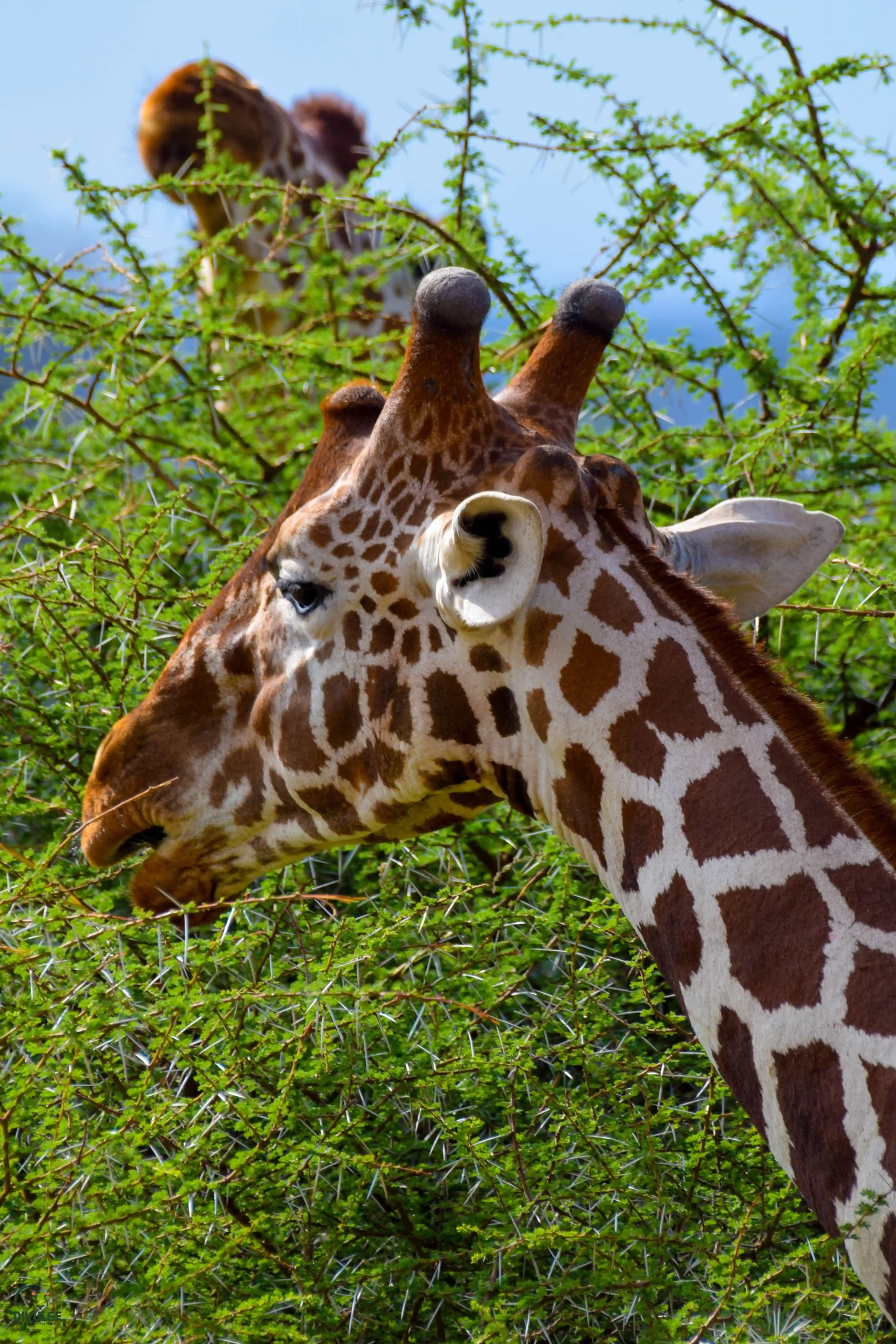
Photo: Divulge Adventures
A classic short route is the 6-day Amboseli and Masai Mara safari, which also stops at Lake Naivasha and Lake Nakuru. If you want the Serengeti too, the 12-day Kenya and Tanzania road safari links the Mara with the Serengeti and the Ngorongoro Crater. The sample route below suits a first Kenya safari in February that uses the dry weather in the north.
| Days | Route | Why it works in February |
|---|---|---|
| Day 1 | Arrive in Nairobi, overnight near the airport or in Karen | Short transfer, cool evening to recover |
| Days 2-3 | Drive or fly to Samburu | Animals concentrated along the river in the dry heat |
| Day 4 | Ol Pejeta or Laikipia | Rhinos, cooler air, clear Mount Kenya views |
| Day 5 | Lake Nakuru or Lake Naivasha | Breaks the long drive west; rhinos, giraffes and birdlife |
| Days 6-8 | Masai Mara | Short grass and strong big-cat viewing at the lower fee |
| Day 9 | Fly back to Nairobi, or on to the coast | Avoids a long return drive |
Kenya in February vs January and March
A Kenya safari in February is usually drier and calmer than early January and much more reliable than March. All three months sit in the Mara’s lower-fee period, so the real difference is weather and crowds. If your dates are flexible, early to mid-February is usually the safest choice of the three.
| Month | Weather | Crowds and prices |
|---|---|---|
| January | Dry and sunny after any late short rains | Busy over New Year, then quieter |
| February | Usually the driest, most settled month | Steady demand; peaks at Valentine’s and half-term |
| March | Hot, with the long rains often starting | Quieter, with some lodges cutting rates |
If January suits your diary better, our guide to a Kenya safari in January covers the New Year rush and early-season weather. Couples planning around Valentine’s Day will find camp ideas in our Kenya honeymoon safari guide.
Insider Tips
- Book early: small camps and conservancy lodges for mid-February are often full months ahead
- Aim for the first half: early to mid-February gives the best odds of dry roads before March rains
- Start at first light: the coolest hours bring the most active cats; rest at camp at midday
- Watch the half-term: UK and European school breaks push up family room demand in mid-February
- Do not chase crossings: there are none in February; ask for predator-rich areas instead
- Fly the long legs: a light-aircraft hop to Samburu or the Mara saves a hot day on the road
Let us plan your safari
Tell us your dates, budget and dream sightings, and our Nairobi team will send you a free tailor-made itinerary and quote.
Frequently Asked Questions
Is February a good month for a Kenya safari?
Yes. A Kenya safari in February falls in the short dry season, so most days are sunny, the grass is short and animals gather near water. The Masai Mara charges its lower January-June fee and parks are quieter than in the migration months. The main trade-off is heat in the north and at the coast.
Can you see the Great Migration in Kenya in February?
No. In February the migration herds are on the short-grass plains of the southern Serengeti in Tanzania, where most calves are born. The Masai Mara still has resident wildebeest, zebra, lions, cheetahs and leopards. To see the calving, add three nights around Ndutu to your Kenya safari in February, or plan a Mara trip for July to October instead.
Does it rain in Kenya in February?
February is one of Kenya’s driest months, but it is not rain-free. Short afternoon storms can roll in, especially in the Masai Mara and the western highlands, and an occasional heavy day is possible. The long rains usually start around March, so the first half of February is normally the safest for dry roads and clear skies.
How much does a Kenya safari in February cost?
A Kenya safari in February typically costs about US$150-300 per person per day on a budget shared trip, US$300-600 mid-range and US$700-1,500 or more in luxury conservancy camps, sharing a room. These are estimates. Park fees are part of that: the Masai Mara charges US$100 per adult per day from January to June (checked November 2026).
Is February too hot for a safari in Kenya?
February is warm rather than unbearable in most safari areas. The Masai Mara and Amboseli are often in the high 20s °C at midday and sometimes pass 30°C, while Samburu and the far north regularly pass 30°C. Mornings and evenings stay pleasant, which is when game drives happen. Plan a rest at camp over lunch and carry plenty of water.
Final Thoughts
February rewards travellers who want dry roads, easy sightings and the lower Mara fee, as long as they accept that the migration herds are calving in Tanzania. Build a Kenya safari in February around two or three parks, start each day early, and add Ndutu or the coast if you have time.
The best-placed camps for a Kenya safari in February fill first, so settle your dates soon and send us your wish list while there is still a good choice of lodges.
Weighing up February for your Kenya safari?
Chat with a Divulge Adventures safari consultant on WhatsApp for honest advice, a quick answer and a quote built around you.

