A Kenya safari in January is one of the best-value safaris of the year: the short dry season brings mostly sunny days, short grass and animals gathered near water, while the Masai Mara fee drops to its lower January-June rate. The migration herds are calving in Tanzania, but Kenya’s resident Big Five stay put.
The challenge is knowing which parks shine this month, how the New Year rush affects prices, and whether to add a beach, a mountain or a hop into Tanzania. This guide covers the weather region by region, where to go, verified park fees (checked October 2026), realistic budgets and a sample route, so you can plan with confidence.

Quick Facts
- Season: the short dry season, usually running from late December or early January until the long rains arrive around March
- Weather: mostly dry and sunny; the north is hot (often 30°C and above), the highlands have cool mornings
- Great Migration: the herds are in the southern Serengeti in Tanzania, where calving usually starts in late January
- Masai Mara fee: US$100 per non-resident adult per day from January to June (checked October 2026)
- Best parks: Masai Mara, Amboseli, Samburu, Laikipia and Ol Pejeta, Lake Nakuru and Naivasha, plus the coast
- Busiest dates: the first few days of January, before New Year holiday rates and crowds ease
Is January a Good Time for a Kenya Safari?
January is a very good time for a Kenya safari. Dry weather, short grass and thinning bush make animals easy to find, roads are in good shape after the short rains, and outside the New Year week many camps are quieter and better value than in the July-October peak.
The trade-off is the Great Migration. A Kenya safari in January will not include Mara River crossings, because the wildebeest and zebra are far to the south in Tanzania. Everything else, from lions and leopards in the Mara to elephants under Kilimanjaro, is at its most visible.
Ready to go? Book your customized safari instantly on WhatsApp — we'll take it from there.
 Book
BookInstantly on
Who a Kenya safari in January suits best
A Kenya safari in January suits first-time visitors who want reliable game viewing without peak-season prices, photographers who like clear light and dry conditions, keen birders (European and Asian migrants are still here), and climbers aiming for Mount Kenya in one of its two main dry windows. It is also a natural fit for a safari and beach combination, because the coast is hot and sunny.
It suits you less if river crossings are the dream. For those, plan for July to October with our Great Migration month-by-month guide, or add northern Tanzania to see the calving herds.
What Is the Weather Like on a Kenya Safari in January?
The weather on a Kenya safari in January is mostly dry, sunny and warm. The short rains of October to December have normally ended, and the long rains usually do not begin until March or April. Isolated showers are still possible in the west, the highlands and on the coast.
As an example, the Kenya Meteorological Department’s January 2026 outlook expected predominantly dry weather across most of the country, with occasional light rain in places such as the Lake Victoria basin and the highlands, and daytime highs of 30-40°C in the far north. Every year differs, so check the latest monthly forecast on the Kenya Meteorological Department website before you travel. The ranges below are typical, not guaranteed.
| Region | Typical January weather | What it means for you |
|---|---|---|
| Masai Mara and Narok | Warm, mostly dry days; chilly dawns; an occasional shower | Short grass makes cats easy to spot; bring a fleece for 6am drives |
| Nairobi and central highlands | Sunny, pleasant days and cool evenings | Comfortable arrival and departure days, easy city excursions |
| Amboseli and Kajiado | Dry and warm, dusty by midday | Elephants gather in the swamps; dawn gives the best Kilimanjaro views |
| Samburu and the north | Hot, sunny and dry, often 30°C or more | Wildlife concentrates along the Ewaso Nyiro River; plan siestas |
| Coast (Diani, Watamu, Malindi) | Hot, sunny and humid with little rain | Ideal beach weather for a bush and beach finish |
What to pack for January weather
Pack for big temperature swings on a Kenya safari in January: a warm fleece or light down jacket for open-vehicle drives at dawn, breathable neutral clothing for hot middays, a wide-brimmed hat and strong sunscreen. Dust is the main nuisance, so a buff and a camera cover help. Our Kenya safari packing list has the full checklist.
Where Is the Great Migration in January?
In January the Great Migration is in Tanzania, on the short-grass plains of the southern Serengeti and the Ndutu area, not in Kenya. The herds arrive there after the short rains, and calving usually begins around late January before peaking in February.
That means a Kenya safari in January is about resident wildlife rather than the herds. The Masai Mara keeps its lions, cheetahs, leopards, elephants, buffalo, giraffe and hippos all year, and with fewer vehicles than in August the sightings often feel more personal. If you want both, a cross-border trip that adds the southern Serengeti is very achievable, as explained in our Serengeti migration guide.
Best Places for a Kenya Safari in January
The best places for a Kenya safari in January are the Masai Mara for big cats, Amboseli for elephants and Kilimanjaro, Samburu for northern species, Laikipia and Ol Pejeta for rhinos, and the Rift Valley lakes for birds. On a 7 to 10-day trip, most travellers combine three or four of these.
Masai Mara
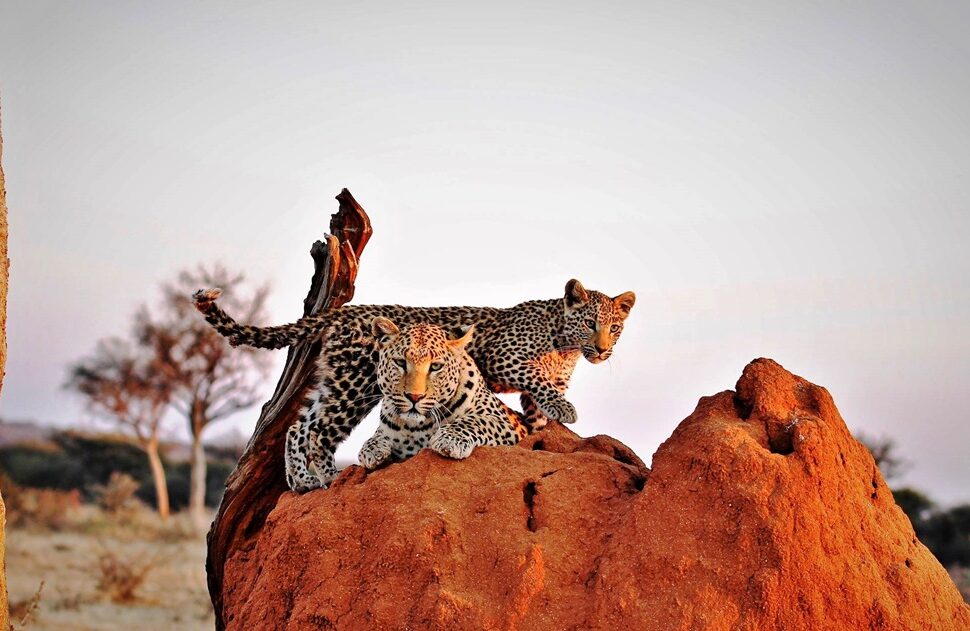
The Masai Mara is the highlight of most plans for a Kenya safari in January, especially for predators. Short, grazed grass makes lions and cheetahs easy to find, and the private conservancies on the reserve’s edge add night drives and guided walks with strict vehicle limits. Our guide to the best time to visit the Masai Mara compares every season in detail.
Amboseli National Park
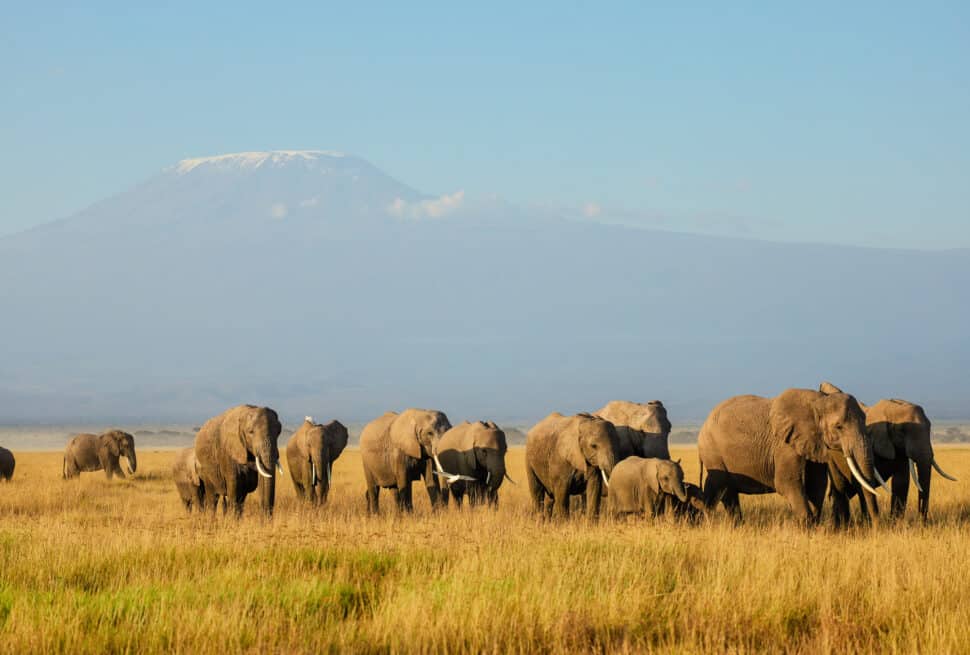
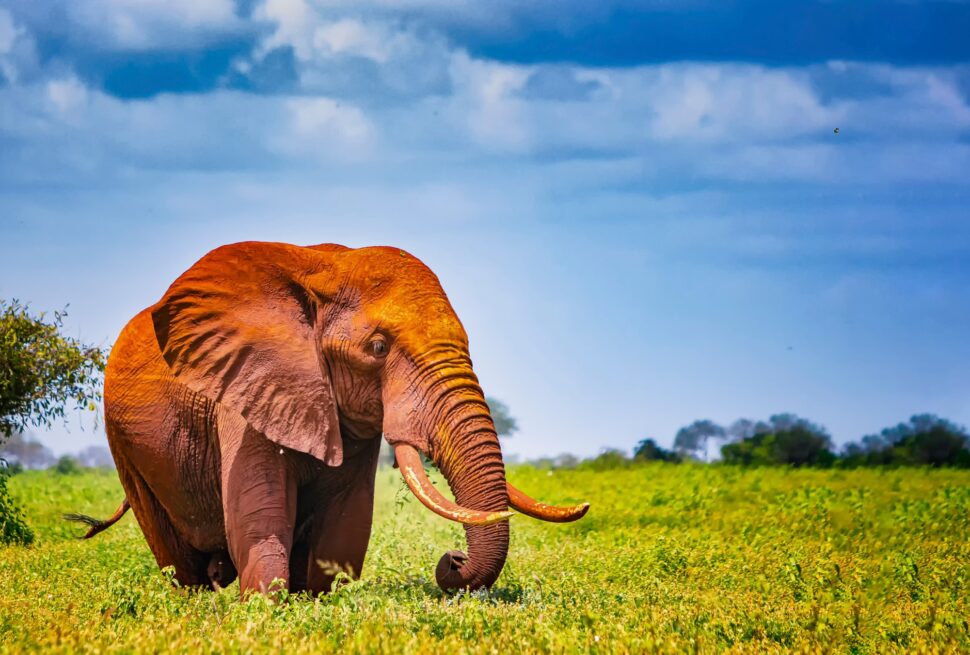
Amboseli lies about 215 km from Nairobi, roughly four hours by road, and is one of the most rewarding stops on a Kenya safari in January. Large elephant families move between the dry plains and the spring-fed swamps, and early mornings give the best chance of a clear view of Kilimanjaro before the haze builds.
Samburu and Laikipia
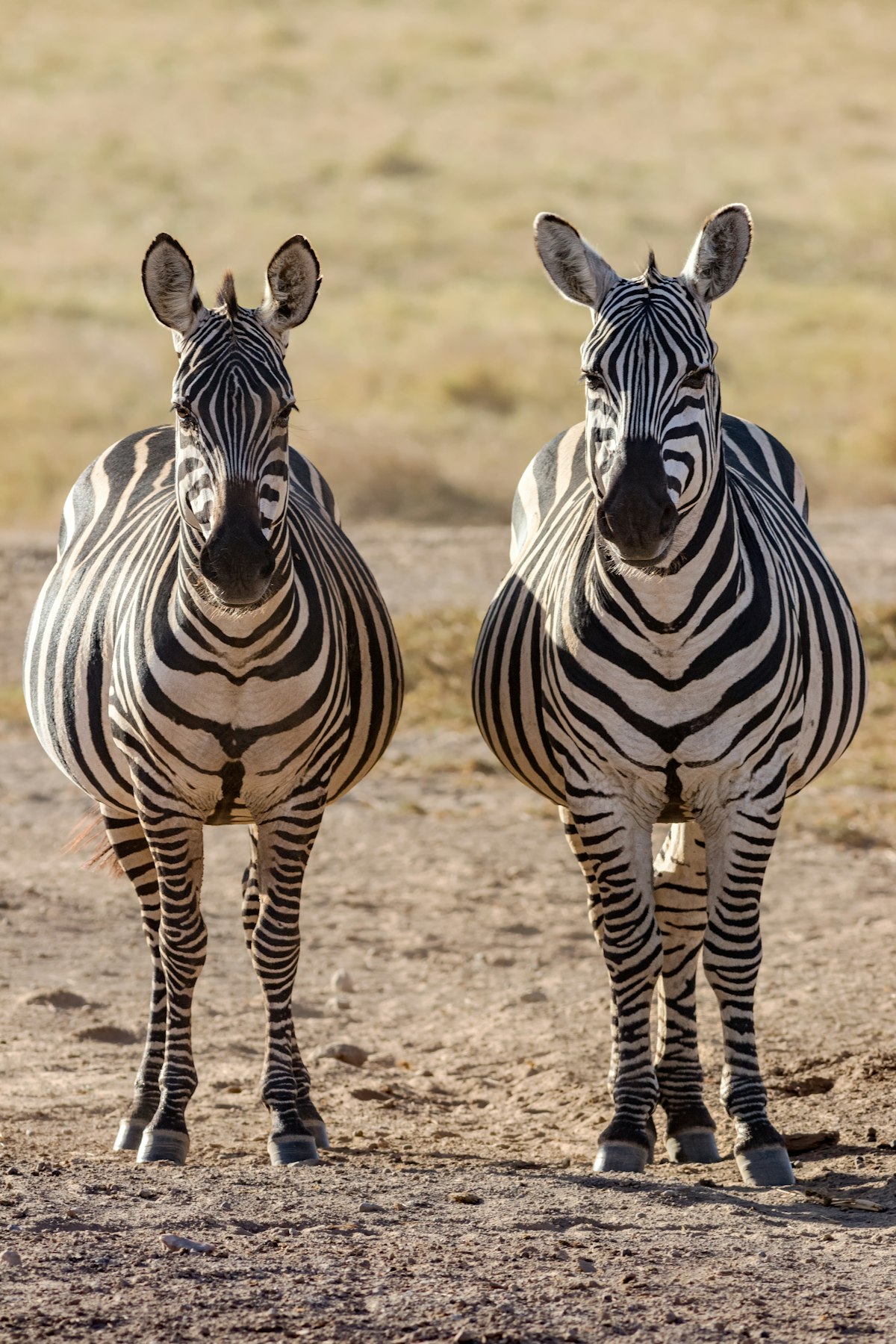
Samburu in the north is hot and dry in January, so animals stay close to the Ewaso Nyiro River. It is the place for the “Samburu special five”: Grevy’s zebra, reticulated giraffe, gerenuk, Beisa oryx and Somali ostrich. Laikipia and Ol Pejeta Conservancy add black and white rhinos on a cooler plateau, covered in our Laikipia wilderness guide.
Lake Nakuru, Lake Naivasha and the birding lakes
January falls within the season when migrant birds from Europe and Asia spend the northern winter in Kenya, roughly from October or November to March or April. Lake Nakuru adds black and white rhinos within an easy drive of Nairobi, while Lake Naivasha offers boat rides among hippos and fish eagles.
Mount Kenya and the coast
January and February form one of Mount Kenya’s two main dry climbing windows, so a short trek to Point Lenana combines well with a Kenya safari in January. On the coast, hot and sunny weather makes January ideal for finishing with a beach week in Diani or Watamu, a short domestic flight from Nairobi or the Masai Mara.
How Much Does a Kenya Safari in January Cost?
A Kenya safari in January typically costs about US$150-300 per person per day on a budget shared trip, US$300-600 mid-range and US$700-1,500 or more at luxury conservancy camps, based on two sharing. These are estimates; the first days of January carry holiday rates, while mid to late January is better value.
Park fees are the fixed part of the budget, and January helps here. The Masai Mara National Reserve charges US$100 per non-resident adult per day from January to June, half its July-December rate. Kenya Wildlife Service (KWS) parks charge flat year-round rates. The figures below are for non-resident adults, checked in October 2026; confirm them on the official Kenya Wildlife Service website before booking.
| Park or reserve | Non-resident adult fee per day | January notes |
|---|---|---|
| Masai Mara National Reserve | US$100 (January-June rate) | Children 9-17 pay US$50; under 9 free |
| Amboseli National Park | US$90 | KWS flat rate; child US$45 |
| Lake Nakuru National Park | US$90 | KWS flat rate; child US$45 |
| Nairobi National Park | US$80 | Good half-day option on arrival or departure day |
| Tsavo East and Tsavo West | US$80 | Handy on the way to the coast |
| Mount Kenya National Park | US$70 | Dry-season climbing window |
| Hell’s Gate National Park | US$50 | Cycling and walking near Lake Naivasha |
Why the dates within January matter
The New Year holiday spills into the first days of January, when many camps and beach hotels still charge festive rates and may ask for minimum stays. Once schools and offices reopen, demand drops, so a Kenya safari in January that starts from around the second week is usually easier to book and kinder on the budget. Popular camps still fill early, so booking several months ahead remains wise.
For a full breakdown of vehicles, flights, tips and extras, see our Kenya safari cost guide. Most visitors also need a Kenya Electronic Travel Authorisation, which costs US$30 for standard processing (checked October 2026). Apply at least a few days before travel, and only on the official Kenya eTA website.
How Many Days Do You Need for a Kenya Safari in January?
Seven to ten days is the sweet spot for a Kenya safari in January. Seven days covers the Masai Mara, the Rift Valley lakes and Amboseli; ten days adds Samburu or Laikipia, or a few days on the coast. With five days or fewer, focus on the Masai Mara and one other park.
Sample 8-day Kenya safari in January
| Days | Where | Why in January |
|---|---|---|
| Day 1 | Nairobi | Arrive, rest, optional afternoon in Nairobi National Park |
| Days 2-3 | Samburu or Ol Pejeta | Dry-season river concentrations or rhinos on the Laikipia plateau |
| Day 4 | Lake Nakuru or Naivasha | Migrant birds, rhinos and a boat ride; breaks the long drive |
| Days 5-7 | Masai Mara reserve or a conservancy | Big cats on short grass at the lower reserve fee |
| Day 8 | Fly to Nairobi or the coast | Connect home, or continue to the beach for sunshine |
Flying between parks on scheduled light aircraft saves long drives and suits shorter trips; see our fly-in safari options. Keen birders can focus on the lakes and forests with a dedicated route such as our 5-day best of Kenya birding safari.
Plan a dry-season Kenya safari this January
Browse our Kenya safaris to the Masai Mara, Amboseli, Samburu and beyond, all tailor-made with private 4×4 vehicles and expert local guides.
Kenya Safari in January vs Other Months
Compared with other months, a Kenya safari in January offers dry-season game viewing at shoulder-season prices. July to October is busier and pricier because of the migration, while April and May are cheapest but wet. January and February are often the strongest value window of the year.
| Month | Weather | Masai Mara adult fee | Best for |
|---|---|---|---|
| December | Short rains ending, green | US$200 | Green scenery, baby animals, festive trips |
| January | Mostly dry and sunny | US$100 | Predators, value, birding, bush and beach |
| February | Dry and hot | US$100 | Similar to January; easy to add Serengeti calving |
| July-October | Long dry season | US$200 | Migration and river crossings, busiest time |
If you are torn between the festive season and the new year, our Kenya safari in December guide explains what the green season before Christmas offers.
Insider Tips
- Start after the holiday: beginning around the second week of January often avoids New Year rates and minimum stays
- Book popular camps early: January is a favourite with repeat travellers, so small conservancy camps can fill months ahead
- Go out at first light: by late morning heat and haze build, so dawn drives give the best cats and Kilimanjaro views
- Protect your kit from dust: pack a camera cover, lens cloths and a buff for open-sided vehicles
- Mix in the north: Samburu’s dry-season river gatherings are a great contrast to the Mara
- Sort paperwork early: apply for your eTA and arrange travel insurance well before departure
Health and Practical Tips for January Travel
A Kenya safari in January brings strong sun rather than heavy rain, so hydration and sun protection matter most. Malaria risk is present in many safari areas year-round, so ask a travel health clinic about antimalarials and use repellent at dusk. Guidance on vaccines is on the NHS Fit for Travel Kenya page.
If you plan to add Tanzania or Zanzibar, check the latest yellow fever certificate rules on our yellow fever requirements page, and consider evacuation cover with Flying Doctors membership for remote parks.
Let us plan your safari
Tell us your dates, budget and dream sightings, and our Nairobi team will send you a free tailor-made itinerary and quote.
Frequently Asked Questions
Is January a good month for a Kenya safari?
Yes, January is one of the best months for a Kenya safari. The short dry season brings mostly sunny weather, short grass and animals gathered near water, which makes game viewing easy. The Masai Mara fee is also at its lower January-June rate, so a Kenya safari in January offers strong value outside the New Year holiday week.
Can you see the Great Migration in Kenya in January?
No, the Great Migration is not in Kenya in January. The wildebeest and zebra herds are on the short-grass plains of the southern Serengeti and Ndutu in Tanzania, where calving usually begins in late January. You can still see lions, leopards, cheetahs and elephants in the Masai Mara, or add a few days in Tanzania to see the herds.
How much is the Masai Mara entry fee in January?
The Masai Mara National Reserve entry fee in January is US$100 per non-resident adult per day, the January-June rate, compared with US$200 from July to December. Children aged 9 to 17 pay US$50 and younger children enter free. These figures were checked in October 2026, so confirm the current rate before you book.
Does it rain in Kenya in January?
Kenya is mostly dry in January because it falls between the short rains of October to December and the long rains that usually start in March or April. Brief showers are still possible in the west, the highlands and on the coast, but they rarely disrupt a safari. The far north is hot and dry, often above 30°C.
Where should I go on a Kenya safari in January?
The best places to go on a Kenya safari in January are the Masai Mara for big cats, Amboseli for elephants and views of Kilimanjaro, Samburu for northern species, Ol Pejeta and Laikipia for rhinos, and Lake Nakuru or Naivasha for birds. The coast is ideal for a beach finish because January there is hot and sunny.
Final Thoughts
A Kenya safari in January combines dry, sunny weather, easy game viewing and the lower Masai Mara fee, making it one of the best-value months of the year. You miss the river crossings, but gain quieter parks, migrant birds and the chance to add a beach or a mountain. Popular camps go early, so start planning now.
Wondering which parks suit your January dates?
Chat with a Divulge Adventures safari consultant on WhatsApp for honest advice, a quick answer and a quote built around you.