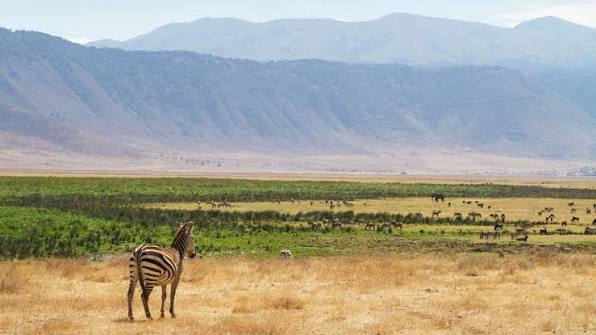
Few places on Earth offer wildlife photographers the incredible opportunities found in the Ngorongoro Crater wildlife. Often referred to as Africa’s “Garden of Eden,” this UNESCO World Heritage Site is home to one of the highest concentrations of wildlife on the continent. From majestic lions resting in the golden grasslands to flocks of flamingos painting the soda lake pink and the elusive black rhino grazing across the crater floor, every moment presents a chance to capture an unforgettable photograph.
Whether you’re carrying a professional DSLR or simply using a mirrorless camera or smartphone, planning ahead can dramatically improve your safari photography. Understanding the unique Tanzania lighting conditions, choosing the right safari lens recommendation, and knowing where to stop during your crater floor game drive can make the difference between average snapshots and award-worthy wildlife images.
In this guide, we’ll share practical Ngorongoro Crater wildlife photography tips while highlighting five common mistakes that many first-time safari photographers make and how to avoid them.
Why Ngorongoro Crater Is a Photographer’s Paradise
Stretching over 260 square kilometres, Ngorongoro Crater is the world’s largest intact volcanic caldera. The crater walls create a natural enclosure where thousands of animals thrive year-round.
Photographers can expect to capture:
Ready to go? Book your customized safari instantly on WhatsApp — we'll take it from there.
 Book
BookInstantly on
- Lions
- African elephants
- Cape buffalo
- Hippos
- Hyenas
- Zebras
- Wildebeest
- Cheetahs
- Jackals
- Flamingos
- Serval cats
- Ostriches
- The endangered black rhino
Unlike many other safari destinations where wildlife disperses over vast landscapes, Ngorongoro offers relatively consistent sightings throughout the year, making it one of Tanzania’s best wildlife photography destinations.
Mistake 1: Ignoring The Golden Hour
One of the biggest photography mistakes visitors make is arriving too late or focusing only on wildlife instead of light.
The best photographs aren’t simply about finding animals—they’re about finding beautiful light.
Why Golden Hour Matters
Early morning transforms the crater into a dream landscape.
The sun slowly rises over the crater rim, creating:
Soft golden colours
Long dramatic shadows
Warm tones
Gentle contrast
Beautiful atmospheric mist
Animals are also more active during the cooler morning hours.
Lions patrol territories.
Hyenas return from night hunts.
Elephants feed peacefully.
Birds become highly active.
This combination of wildlife behaviour and exceptional lighting creates perfect photography conditions.
Golden Hour on the Rim
Before descending onto the crater floor, many safari guides stop at viewpoints along the rim.
These viewpoints provide spectacular panoramic images of:
The entire crater
Morning fog
Forest-covered walls
Sun rays illuminating the plains
Don’t rush this moment.
Landscape photographs taken from the rim often become travellers’ favourite memories.
Mistake 2: Using the Wrong Lens
One of the most common questions before a safari is:
“What lens should I bring?”
The answer depends on your photography goals.
Safari Lens Recommendation
For most visitors, a zoom lens offers the greatest flexibility.
Ideal options include:
- 100–400mm
- 150–600mm
- 70–200mm combined with a teleconverter
These lenses allow you to photograph:
Rhinos in the distance
Birds
Lions resting under trees
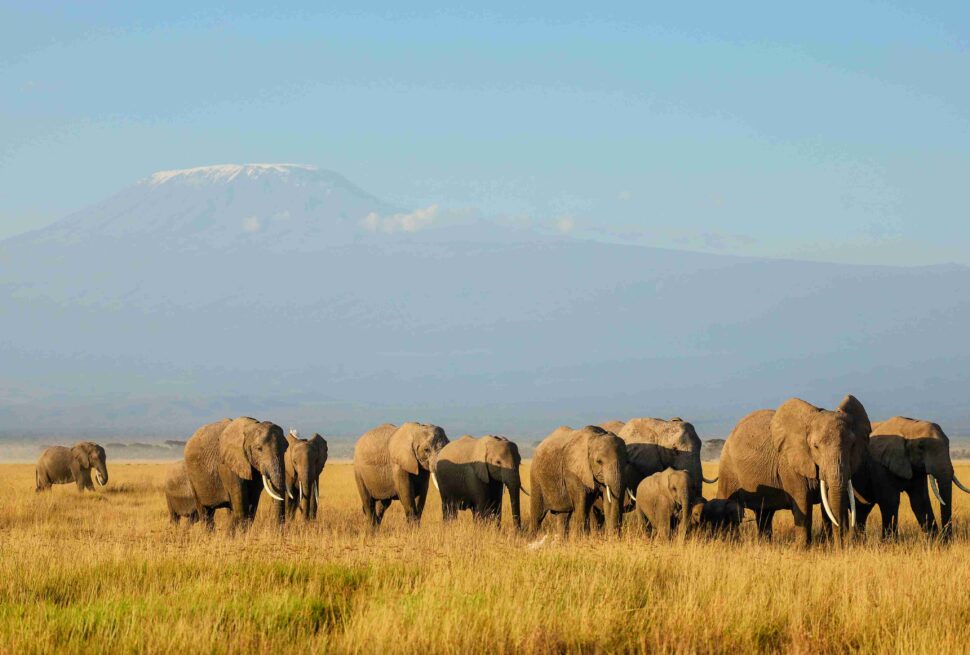
Close elephant portraits
A second wide-angle lens (16–35mm or 24–70mm) is excellent for:
Landscapes
Safari vehicles
Sunrise photography
Crater viewpoints
If you’re travelling light, a versatile 24–240mm zoom performs surprisingly well.
Avoid Constant Lens Changes
Ngorongoro roads can become dusty.
Changing lenses frequently allows dust to enter the camera sensor.
Instead:
Carry two camera bodies if possible.
Keep equipment inside a camera bag.
Change lenses only when necessary.
Mistake 3: Poor Camera Settings in Dusty Conditions
The crater floor can become extremely dusty during the dry season.
Dust affects both equipment and image quality.
Camera Settings for Dust
To capture sharp wildlife images:
Use Fast Shutter Speeds
Wild animals rarely stay still.
Recommended settings:
Birds: 1/2000 sec
Running animals: 1/1600 sec
Walking elephants: 1/800 sec
Resting lions: 1/500 sec
Increase ISO When Needed
Modern cameras handle higher ISO surprisingly well.
Don’t be afraid to use:
ISO 800
ISO 1600
ISO 3200
A slightly noisy image is far better than a blurry one.
Continuous Autofocus
Use:
AF-C
AI Servo
Continuous Focus Mode
This keeps moving wildlife sharp.
Shoot in RAW
RAW files retain more detail for editing later.
You’ll recover:
Highlights
Shadows
Colours
especially during challenging Tanzania lighting conditions.
Protect Your Equipment
Carry:
Microfiber cloths
Rain cover
Air blower
Lens cleaning kit
Dust accumulates quickly during game drives.
Mistake 4: Missing the Rare Black Rhino
One of Ngorongoro’s biggest attractions is its population of endangered black rhinos.
Photographing one is often the highlight of an entire Tanzania safari.
Black Rhino Tracking
Unlike many safari animals, black rhinos can remain hidden for long periods.
Experienced guides communicate with each other to increase the chances of sightings.
To improve your opportunities:
Start your game drive early.
Stay patient.
Scan open grasslands carefully.
Bring binoculars.
Listen to your guide.
Rhinos often appear as small grey shapes in the distance before moving into clearer view.
Avoid making sudden movements inside the safari vehicle.
Patience frequently rewards photographers with incredible images.
Respect Wildlife Distance
Never pressure guides to approach too closely.
Long lenses create excellent portraits without disturbing the animals.
Responsible photography always comes first.
Mistake 5: Forgetting to Capture the Entire Experience
Many visitors focus solely on wildlife close-ups.
While these are important, storytelling photographs create richer memories.
Capture:
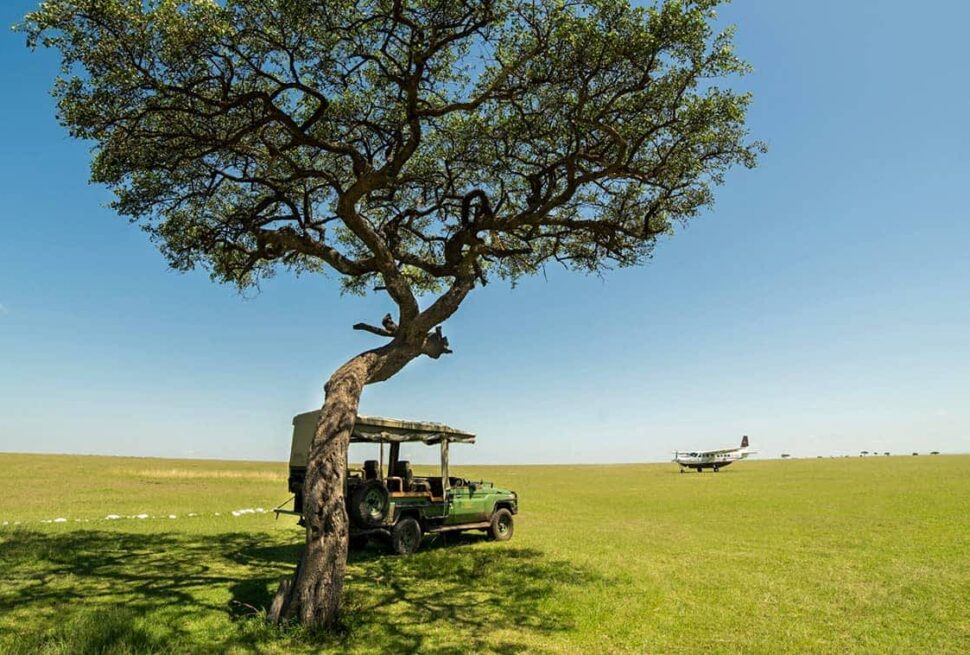
Safari vehicles
Your guide
The crater landscape
Maasai communities (with permission)
Picnic sites
Sunrise
Dust trails
Birds in flight
Acacia trees
Reflection shots
These images help tell the complete story of your safari.
Best Viewpoint Stops Around Ngorongoro Crater
Your guide will likely stop at several scenic viewpoints during the day.
Some of the best locations include:
Ngorongoro Crater Rim Viewpoint
Perfect for:
Sunrise
Wide landscapes
Mist-filled crater views
Lerai Forest
Excellent for:
Elephants
Leopards (occasionally)
Forest scenery
Lake Magadi
Ideal for:
Flamingos
Reflections
Bird photography
Gorigor Swamp
Great for:
Hippos
Water birds
Buffalo
Open Grasslands
Fantastic for:
Lions
Cheetahs
Hyenas
Black rhinos
Each location offers different lighting throughout the day.
Understanding Tanzania Lighting Conditions
Tanzania’s equatorial sun changes rapidly.
Morning:
Warm colours
Soft shadows
Calm atmosphere
Midday:
Bright sunlight
High contrast
Harsh shadows
Late Afternoon:
Golden tones
Beautiful side lighting
Dramatic skies
Professional photographers often avoid harsh midday portraits unless clouds soften the light.
Cloudy days can actually produce wonderfully balanced wildlife images.
Extra Photography Tips for Ngorongoro Crater
Before your safari, remember these practical tips:
Charge all batteries the night before.
Carry extra memory cards.
Pack a bean bag for stabilizing your camera on the safari vehicle.
Turn off your camera between sightings to conserve battery.
Keep your lens hood attached.
Shoot bursts during animal movement.
Focus on the animal’s eyes.
Be patient—great wildlife photography often comes from waiting quietly.
Best Time to Visit for Wildlife Photography
Ngorongoro Crater offers excellent photography throughout the year.
June to October (Dry Season)
Easier wildlife viewing
Less vegetation
Clear skies
Dustier conditions
November to May (Green Season)
Lush landscapes
Dramatic clouds
Migratory birds
Beautiful green backgrounds
Fewer visitors
Each season offers unique photographic opportunities.
Conclusion.
Ngorongoro Crater is one of Africa’s most rewarding destinations for wildlife photography. With extraordinary biodiversity, breathtaking landscapes, and the chance to photograph the endangered black rhino, every game drive offers moments worth preserving.
By avoiding these five common mistakes ignoring golden hour, bringing the wrong lens, using poor camera settings in dusty conditions, rushing black rhino sightings, and overlooking the broader safari experience you’ll return home with images that tell a richer, more compelling story of your journey.
Whether you’re an experienced wildlife photographer or embarking on your very first safari, preparation, patience, and respect for nature are the keys to success. Embrace the changing light, trust your guide’s expertise, and take time to appreciate every moment. Some of the most breathtaking photographs aren’t just about the wildlife they’re about capturing the magic of Ngorongoro itself.
When you visit with your camera ready and these tips in mind, you’ll not only take stunning photographs but also create memories that will last a lifetime.