Ngorongoro Conservation Area: Tanzania’s Wildlife Paradise and Natural Wonder
Tanzania is home to some of Africa’s most spectacular safari destinations, but few places are as extraordinary and breathtaking as Ngorongoro National Park and the famous Ngorongoro Conservation Area, a wildlife paradise renowned for its stunning crater landscapes, rich biodiversity, and unforgettable safari experiences.
Located in northern Tanzania, the Ngorongoro Conservation Area attracts travelers from across the globe seeking unforgettable safari experiences. From spotting the Big Five on the crater floor to witnessing Maasai communities living alongside wildlife, Ngorongoro offers a rare blend of nature, culture, and adventure.
Whether you are visiting Tanzania for your first safari or returning for another African adventure, Ngorongoro National Park promises extraordinary scenery, abundant wildlife, and unforgettable memories.
This guide explores everything you need to know about the Ngorongoro Conservation Area, including its wildlife, landscapes, safari experiences, best time to visit, accommodation options, and why it remains one of Africa’s top travel destinations.
Where is Ngorongoro Conservation Area?
The Ngorongoro Conservation Area is located in northern Tanzania, between Lake Manyara National Park and Serengeti National Park. It covers approximately 8,300 square kilometers and forms part of Tanzania’s famous northern safari circuit.
The area was established in 1959 and later became a UNESCO World Heritage Site due to its outstanding natural beauty, ecological importance, and cultural significance.
The main highlight of the conservation area is the Ngorongoro Crater, the world’s largest intact volcanic caldera. Formed millions of years ago when a massive volcano collapsed inward, the crater created a unique ecosystem that now supports an incredible concentration of wildlife.The conservation area is easily accessible from Arusha, which serves as the gateway for most northern Tanzania safaris.
The Magnificent Ngorongoro Crater
The Ngorongoro Crater is often referred to as the “Eighth Wonder of the World” because of its extraordinary beauty and wildlife density.The crater measures approximately 19 kilometers in diameter and has walls rising over 600 meters high. Inside the crater lies a rich ecosystem made up of grasslands, forests, lakes, swamps, and rivers.
What makes the crater so special is that it acts like a natural enclosure, creating one of the best places in Africa for wildlife viewing. Animals rarely migrate out of the crater due to the abundance of food and water available year-round.Standing at the crater rim and looking down into this vast wildlife paradise is one of the most breathtaking sights in Tanzania.
Wildlife in Ngorongoro Conservation Area
Ngorongoro National Park is one of the best safari destinations in Africa because of its incredible concentration of animals. The crater floor hosts thousands of wildlife species within a relatively compact area, making game viewing highly rewarding.
The Big Five in Ngorongoro
One of the biggest attractions of Ngorongoro is the opportunity to see the famous Big Five in a single day.
- Lions
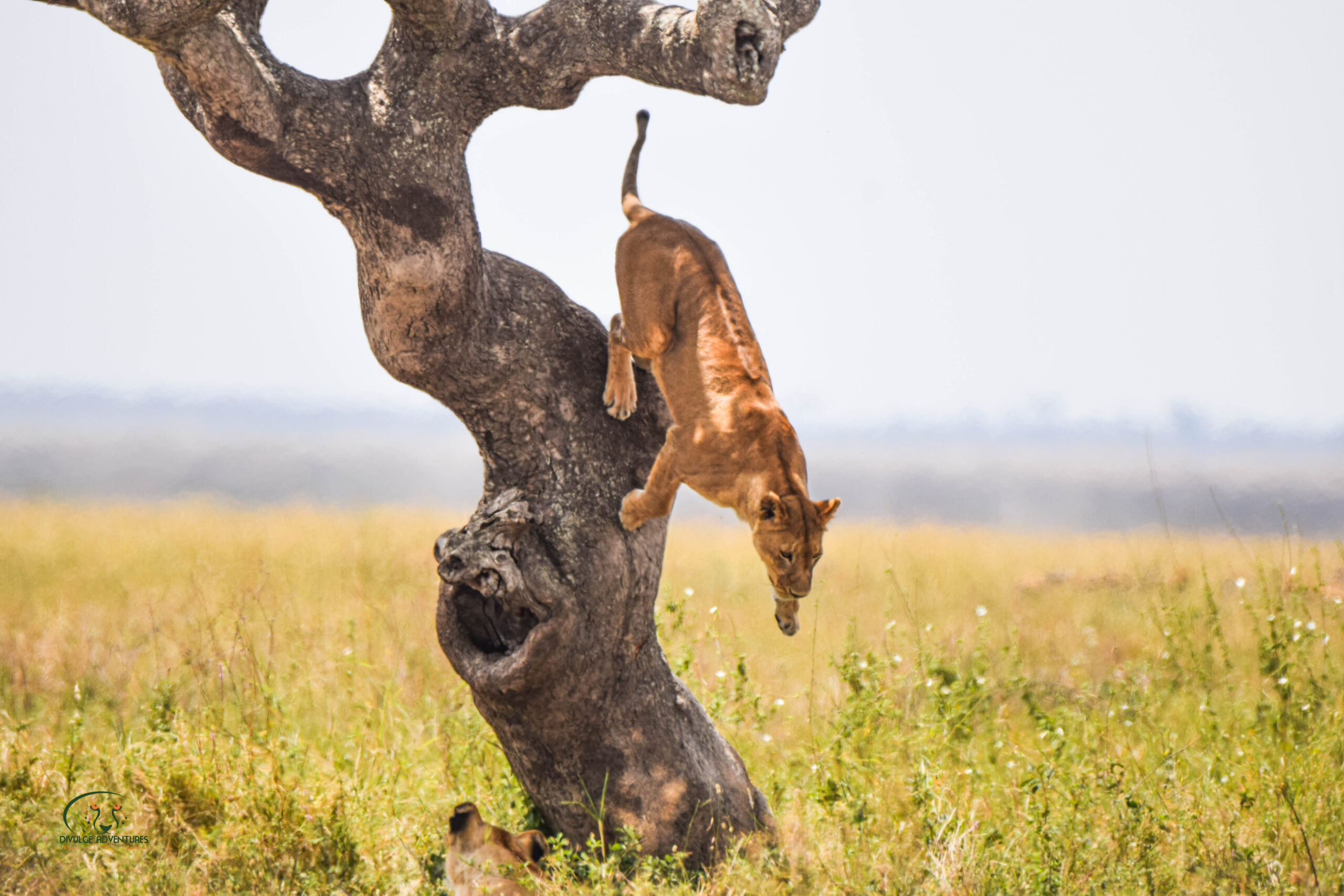
Ngorongoro Crater is home to a healthy lion population. Lions are frequently seen resting in the grasslands, hunting prey, or moving across the open plains.
The crater’s lion prides are among the most photographed predators in Tanzania.
- Elephants
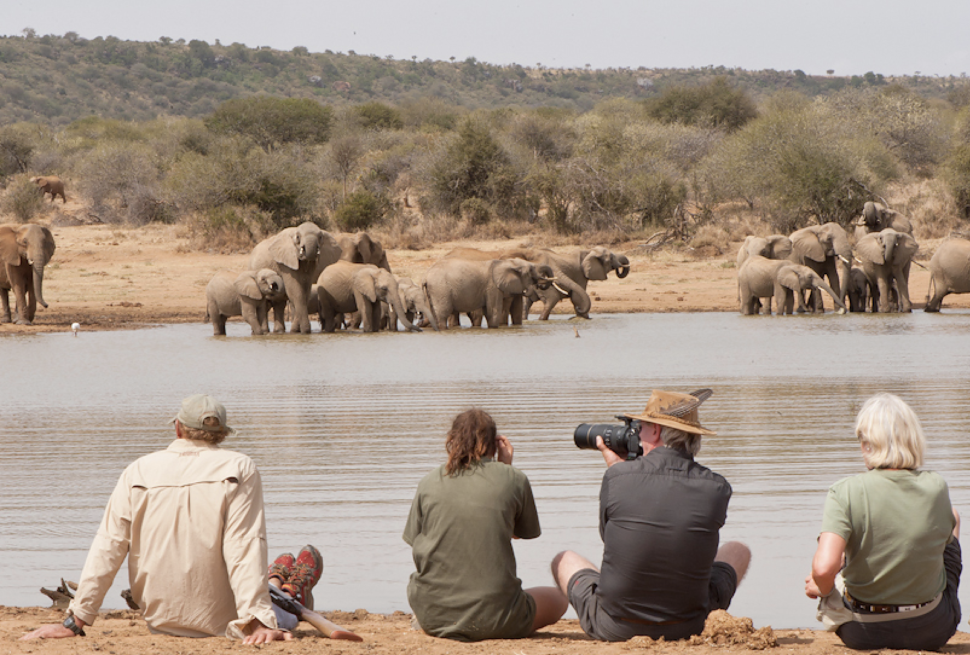
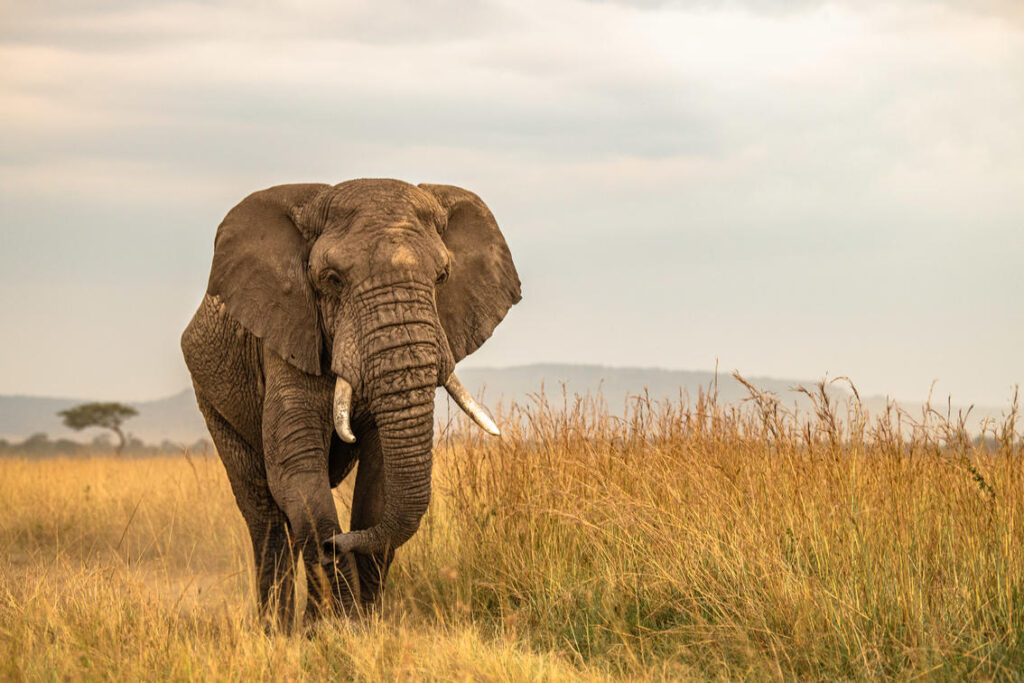
Large bull elephants with impressive tusks roam the forests and grasslands of Ngorongoro. These elephants are known for their massive size and are often spotted near Lerai Forest.
- Buffaloes
African buffaloes are abundant throughout the crater and are usually seen grazing in large herds.
- Leopards
Although more elusive than lions, leopards can occasionally be spotted in wooded areas around the crater rim and forested regions.
- Rhinos
Ngorongoro Conservation Area is one of the best places in Tanzania to see the endangered black rhino. Rhino sightings are considered a special highlight for safari travelers.
Other Wildlife Species
Beyond the Big Five, Ngorongoro National Park supports an incredible variety of animals, including:
- Wildebeest
- Zebras
- Hippos
- Hyenas
- Jackals
- Cheetahs
- Gazelles
- Warthogs
- Serval cats
- Baboons
- Flamingos
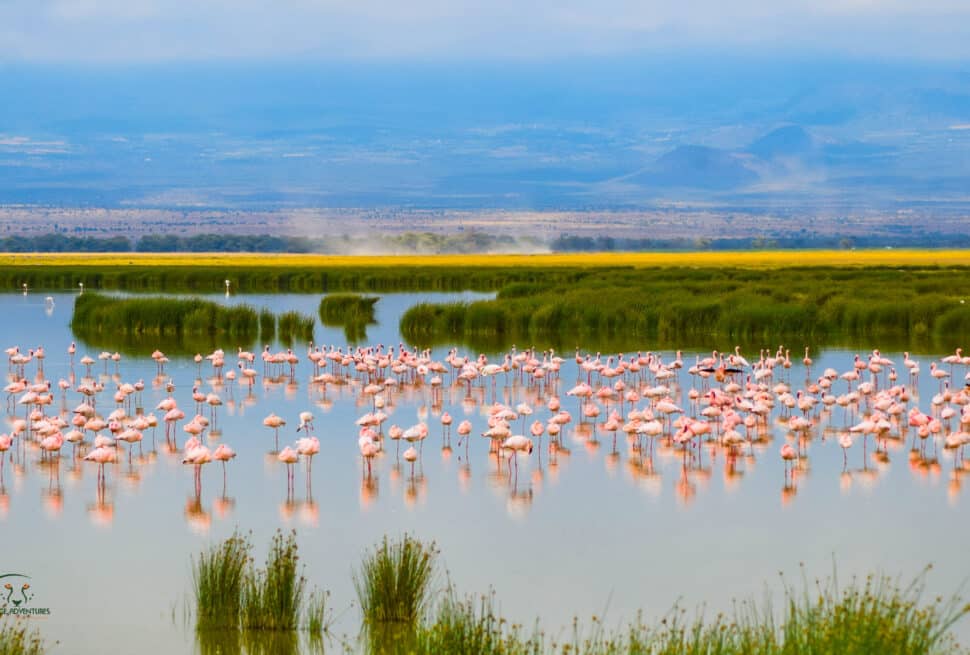
The crater also attracts numerous bird species, making it a paradise for birdwatchers. Flamingos often gather around Lake Magadi, creating stunning pink reflections across the water.
Unique Ecosystems of Ngorongoro
One of the reasons Ngorongoro is so fascinating is the diversity of ecosystems found within a relatively small area.
The conservation area contains:
- Open grasslands
- Acacia forests
- Freshwater springs
- Swamps
- Soda lakes
- Highland forests
- Volcanic landscapes
Each habitat supports different wildlife species, creating an incredibly rich and balanced ecosystem.The Lerai Forest is particularly beautiful, with yellow-barked acacia trees providing shelter for elephants, monkeys, and leopards.
The Maasai People and Cultural Heritage
Unlike national parks where human settlement is prohibited, the Ngorongoro Conservation Area allows Maasai communities to live alongside wildlife. The Maasai are one of East Africa’s most famous indigenous groups, known for their colorful clothing, traditional dances, and strong pastoral lifestyle.
Visitors to Ngorongoro can enjoy cultural experiences such as:
- Visiting Maasai villages
- Learning about traditional customs
- Watching traditional dances
- Exploring local crafts and beadwork
- Understanding Maasai livestock culture
The coexistence between people and wildlife makes Ngorongoro unique compared to many other conservation areas in Africa.
Olduvai Gorge: The Cradle of Humankind
Another major attraction within the conservation area is Olduvai Gorge, one of the world’s most important archaeological sites.Often called the “Cradle of Humankind,” Olduvai Gorge is where some of the earliest human fossils and tools were discovered by archaeologists Louis and Mary Leakey.
These discoveries provided important evidence about early human evolution and made the area internationally significant.Visitors can explore the museum and learn about ancient human history, making Ngorongoro National Park not only a wildlife destination but also a place of great scientific importance.
Best Time to Visit Ngorongoro Conservation Area
Ngorongoro can be visited throughout the year, but different seasons offer different experiences.
- Dry Season (June to October)
The dry season is considered the best time for wildlife viewing because animals gather around water sources and vegetation is shorter.
Advantages of visiting during this period include:
- Easier wildlife spotting
- Pleasant weather
- Clear skies
- Excellent photography conditions
This is also peak safari season, meaning lodges may book out early.
- Green Season (November to May)
The green season transforms Ngorongoro into a lush and vibrant landscape.
Benefits of visiting during this time include:
- Beautiful scenery
- Fewer tourists
- Lower accommodation rates
- Excellent birdwatching
- Dramatic clouds and landscapes for photography
The rainy season does not usually involve continuous rain all day, and many travelers enjoy the quieter atmosphere.
Safari Experiences in Ngorongoro
A safari in Ngorongoro National Park is filled with unforgettable experiences and spectacular scenery.
- Crater Game Drives
The most popular activity is a game drive on the crater floor.Safari vehicles descend from the crater rim into the wildlife-rich plains below, where travelers can encounter animals within minutes.Because wildlife is highly concentrated, Ngorongoro offers some of the best game-viewing opportunities in Africa.
Guests may witness:
- Lions hunting zebras
- Rhinos grazing in the distance
- Hippos resting in pools
- Flamingos covering the lake
- Elephants walking through forests
A full-day crater safari is one of the highlights of any Tanzania safari itinerary.
- Crater Rim Views
The crater rim offers breathtaking panoramic views that are unforgettable, especially during sunrise and sunset.Many lodges are located along the rim, allowing guests to wake up to incredible scenery and mist-covered landscapes.Photographers particularly love the dramatic viewpoints overlooking the crater floor.
- Walking Safaris
Certain areas around the conservation area offer guided walking safaris where visitors can experience nature more intimately.
Walking through the highlands with experienced guides provides opportunities to appreciate smaller wildlife, plants, and landscapes often missed during vehicle safaris.
- Birdwatching
Ngorongoro is a fantastic destination for bird enthusiasts.
Some commonly spotted bird species include:
- Flamingos
- Crowned cranes
- Ostriches
- Eagles
- Secretary birds
- Vultures
- Hornbills
The diversity of habitats supports both resident and migratory birds.
Accommodation in Ngorongoro
Ngorongoro offers accommodation options ranging from luxury safari lodges to mid-range camps and budget-friendly stays.
- Luxury Lodges
Luxury lodges around the crater rim provide world-class comfort combined with spectacular views.
Guests can enjoy:
- Elegant suites
- Fine dining
- Fireplace lounges
- Spa treatments
- Personalized safari services
- Private balconies overlooking the crater
Many luxury lodges blend traditional African design with modern comfort.
- Tented Camps
Tented camps offer authentic safari experiences while still providing comfort and excellent service.These camps allow guests to feel closer to nature while enjoying cozy accommodations and warm hospitality.
- Budget Accommodation
Budget travelers can also find affordable lodges and camps outside the crater area.These accommodations provide good value for travelers exploring Tanzania on a smaller budget.
Photography in Ngorongoro
Ngorongoro is one of the most photogenic safari destinations in Africa.
Photographers are drawn to the area because of:
- Dramatic crater landscapes
- Dense wildlife populations
- Misty crater mornings
- Golden sunsets
- Maasai cultural scenes
- Flamingo-covered lakes
The changing light throughout the day creates incredible photography opportunities.Wildlife photography is especially rewarding because animals are often relatively close and visible.
Conservation and Sustainability
The Ngorongoro Conservation Area plays a vital role in protecting wildlife and preserving ecosystems.
Conservation efforts focus on:
- Protecting endangered species
- Preserving natural habitats
- Supporting sustainable tourism
- Promoting coexistence between people and wildlife
- Preventing poaching
Balancing tourism, wildlife conservation, and local community needs is essential for the long-term sustainability of the area.Responsible tourism helps support conservation projects and local livelihoods.
Combining Ngorongoro with Other Tanzania Destinations
Ngorongoro is commonly combined with other northern Tanzania safari destinations to create unforgettable itineraries.
Popular combinations include:
- Serengeti National Park
- Tarangire National Park
- Lake Manyara National Park
- Arusha National Park
- Zanzibar beach holidays
A combined Serengeti and Ngorongoro safari is especially popular because it offers incredible wildlife diversity and landscapes.Many travelers also end their safari with a relaxing beach escape in Zanzibar.
Travel Tips for Visiting Ngorongoro
If you are planning a trip to Ngorongoro Conservation Area, here are some helpful tips:
- Dress in Layers
Temperatures on the crater rim can be cold in the mornings and evenings, while the crater floor is usually warmer during the day.
- Bring a Camera and Binoculars
Wildlife encounters happen frequently, and good photography equipment enhances the experience.
- Start Early
Early morning game drives often provide the best wildlife sightings and lighting conditions.
- Respect Wildlife and Local Culture
Always follow your guide’s instructions and respect Maasai communities and traditions.
- Book Accommodation Early
Lodges around the crater rim are highly sought after, especially during peak safari season.
Why Ngorongoro Should Be on Your Travel Bucket List
Ngorongoro Conservation Area is unlike anywhere else in the world. The combination of spectacular landscapes, rich wildlife, fascinating culture, and ancient history creates an experience that feels truly magical.From standing on the crater rim at sunrise to watching lions roam the crater floor, every moment in Ngorongoro leaves a lasting impression.
The area offers some of the best safari experiences in Africa, making it ideal for:
- Wildlife lovers
- Photographers
- Honeymooners
- Adventure travelers
- Families
- Nature enthusiasts
Whether you are witnessing a black rhino grazing in the distance, listening to Maasai stories, or simply admiring the vast beauty of the crater, Ngorongoro National Park has a way of capturing the hearts of travelers.A journey to the Ngorongoro Conservation Area is more than just a safari , it is an opportunity to connect with nature, history, and the untamed beauty of Africa in one of the world’s most extraordinary destinations.