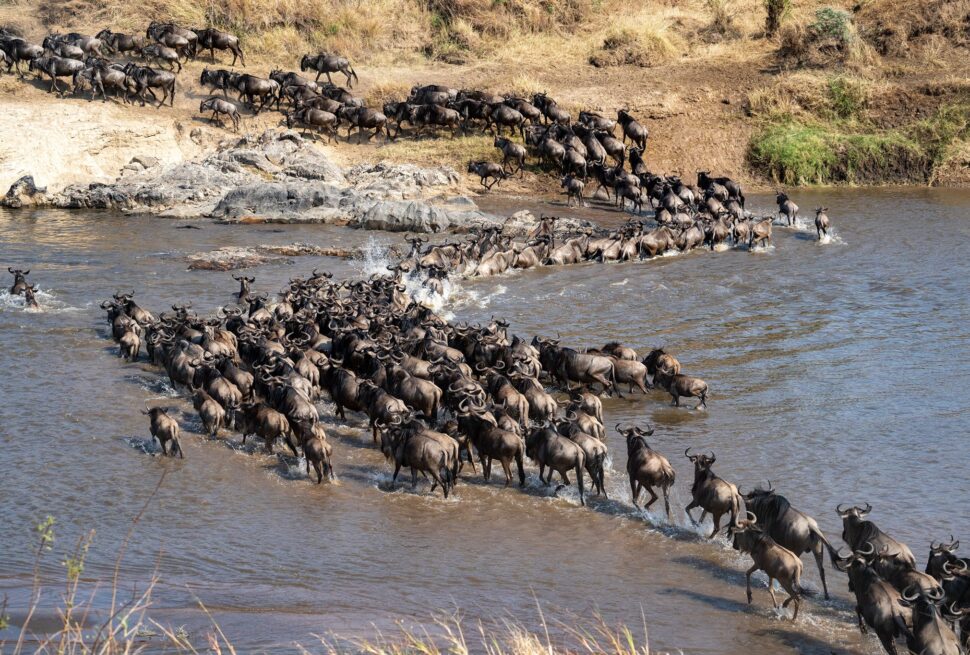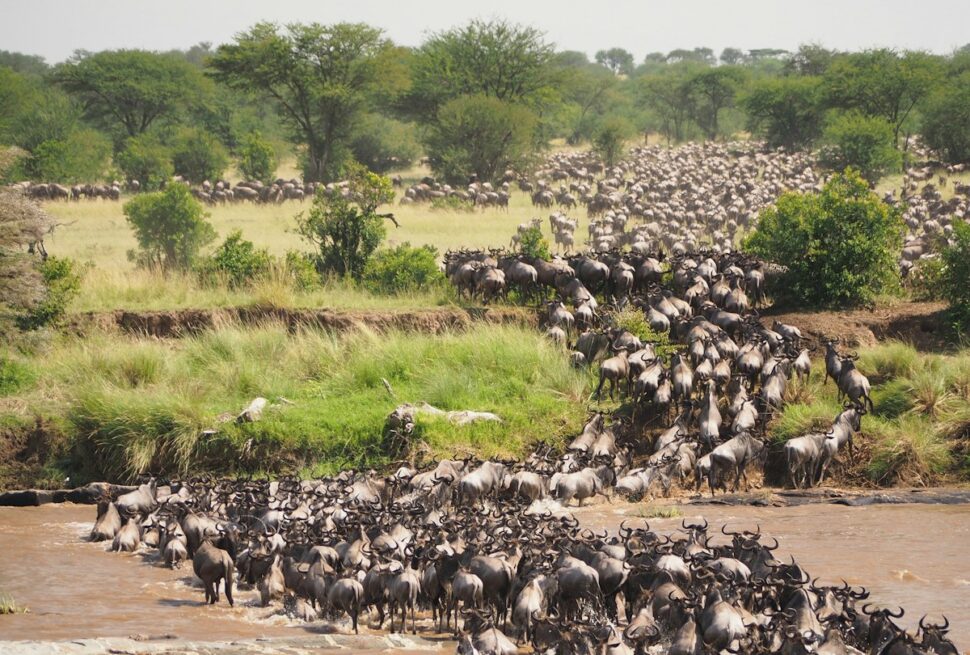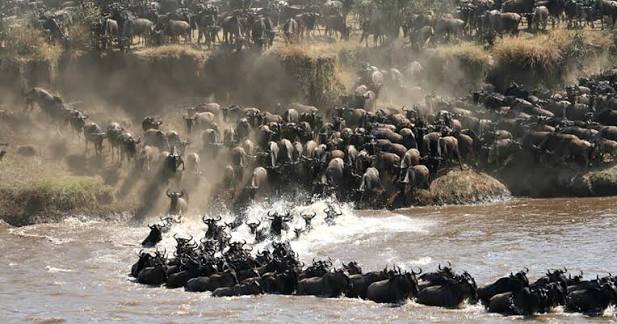
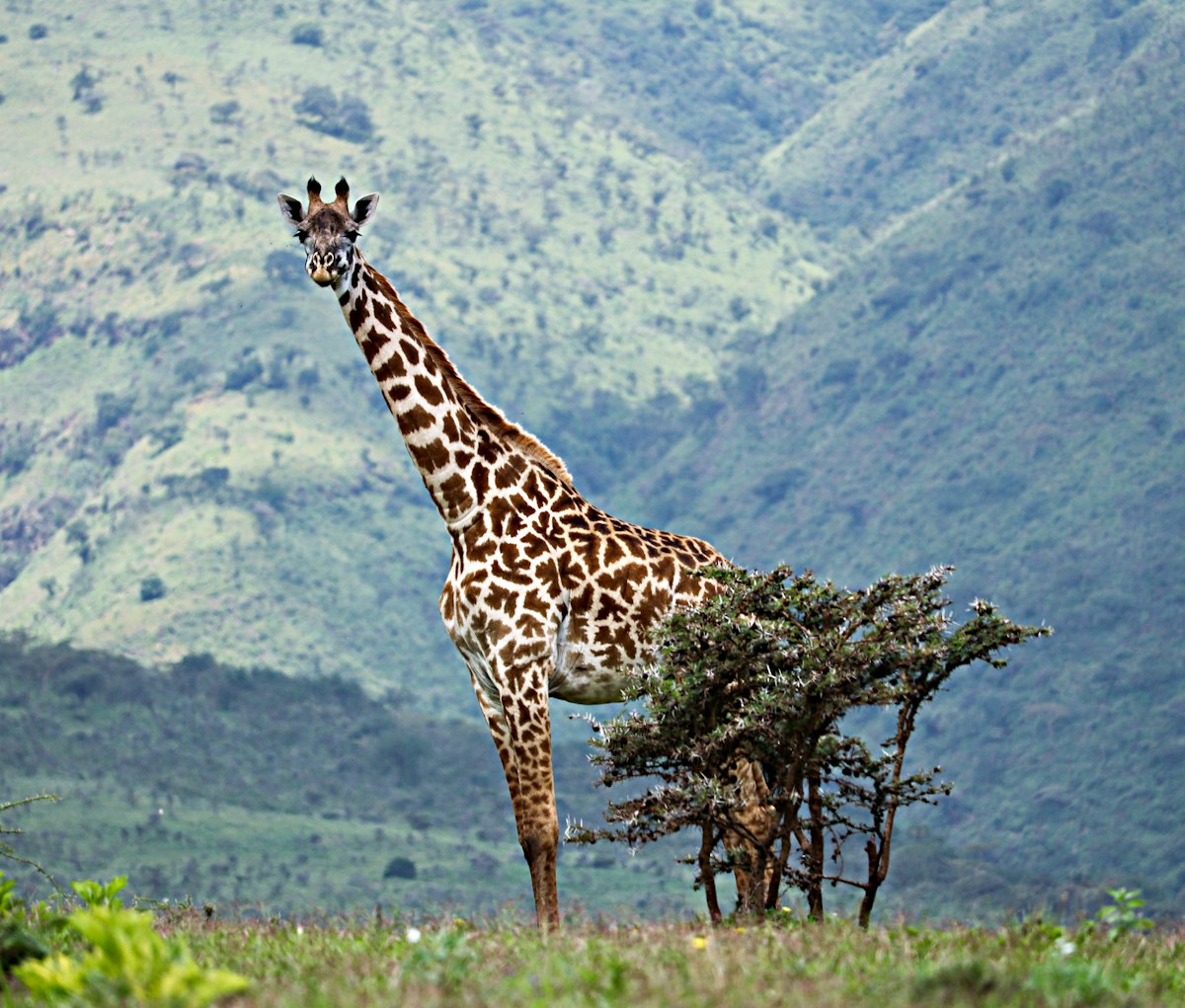
The Serengeti in December is a rewarding, quieter time to see the Great Migration: the wildebeest stream south onto green short-grass plains near Ndutu, short afternoon showers freshen the park, and the first calves can arrive late in the month. Days reach about 27-28°C and visitor numbers stay moderate until Christmas.
The catch is that December is a month of movement. The herds can be spread out early on, the rains are unpredictable and Christmas dates fill fast. This guide shows where the wildlife usually is week by week, what the weather is really like, which areas to base yourself in, what it costs and how to plan a December trip that works.

Quick Facts
- Where the herds are: moving from the central and eastern Serengeti onto the southern short-grass plains around Ndutu
- Weather: short rains season, mostly afternoon showers easing through the month; daytime highs around 27-28°C
- Calving: first calves possible in late December; the peak is usually late January to February
- Park entry: US$82.60 per non-resident adult per 24 hours, high season rate including VAT (checked October 2026)
- Busiest dates: roughly 20 December to early January, when many camps charge peak rates
- Getting there: about 7 to 7.5 hours by road from Arusha to the central Serengeti, or a light-aircraft flight
- Nights needed: three to four nights, ideally split between the centre and the south
Is the Serengeti in December Worth Visiting?
The Serengeti in December is worth visiting for travellers who want large herds, green scenery and fewer vehicles than the July to September peak. It suits flexible travellers and photographers best, because the herds are on the move and short showers are part of the deal.
December sits between two famous seasons. The Mara River crossings in the north are over, and the calving peak in the south is still a few weeks away. That in-between position is exactly why it works: the herds pour south across open country, the grass turns bright green after the November rains and predators follow the movement closely.
Ready to go? Book your customized safari instantly on WhatsApp — we'll take it from there.
 Book
BookInstantly on
Resident wildlife in the Serengeti in December does not depend on the migration either. The central Serengeti around Seronera holds lions, leopards and cheetahs all year, so even on a day when the herds are hard to reach you still have excellent game viewing. Migrant birds from Europe and Asia add to the variety.
Who the Serengeti in December suits
December suits families travelling in the school holidays, honeymooners pairing a safari with a Zanzibar beach week, and repeat visitors who have already seen a river crossing and want the southern plains. It is less ideal if you need guaranteed dry weather or only have one fixed night in the park.
Where Is the Great Migration in December?
The Great Migration in December is usually travelling from the central and eastern Serengeti onto the southern short-grass plains, around Ndutu, Kusini and the Namiri Plains area. By late December most of the herds are often close to the calving grounds, though rain decides the exact route.
The wildebeest follow fresh grazing. When the short rains start in November, new grass sprouts on the volcanic soils of the south and east, and the herds leave the northern Serengeti and head down through Lobo and the centre. In a wet year they arrive early; in a dry year they can linger further north and west for longer.
For the full yearly cycle, our Great Migration month-by-month guide follows the herds through all twelve months, and the Serengeti migration guide covers the Tanzanian side in more depth.
Week by week: the Serengeti in December
| Period | Where the herds usually are | What to expect |
|---|---|---|
| 1-10 December | Spread through the central and eastern Serengeti, moving south | Herds can be scattered; Seronera and Namiri bases work well; lower prices |
| 11-20 December | Gathering on the southern plains towards Ndutu and Kusini | Big columns of wildebeest and zebra, predators following, showers easing |
| 21-31 December | Mostly on the southern short-grass plains | First calves in some years; peak holiday demand and prices |
Treat these as patterns, not promises: the herds respond to each year’s rainfall, so a good guide checks recent reports before choosing the day’s route.
What Is the Weather Like in the Serengeti in December?
The weather in the Serengeti in December is warm and green, with short rains that usually fall as afternoon or evening showers rather than all-day downpours. Daytime highs are around 27-28°C, mornings are cool, and rainfall tends to ease as the month goes on.
Clear mornings are the norm, which matters because the first hours after sunrise are the best for game drives. A typical day might bring blue skies until lunchtime, a build-up of cloud and a sharp shower in the afternoon, then a clean, dramatic light for the evening drive.
Rain in the Serengeti in December does affect some roads. Black cotton soil on the southern plains turns slippery after heavy showers, and occasional tracks become impassable for a day or two. This is one reason to travel with an experienced driver-guide in a proper 4×4 rather than self-driving.
What to pack for the Serengeti in December
Pack light layers for warm days, a fleece or light jacket for early drives, and a compact rain jacket. If your route passes the Ngorongoro Crater rim at around 2,300 metres, nights are cold all year, so bring something warm. Our Tanzania safari packing checklist has the full list.
Where to Stay in the Serengeti in December
The best bases for the Serengeti in December are the central Serengeti around Seronera for early December, and the southern Serengeti and Ndutu from mid-December onwards. Splitting your nights between the two gives you the best chance of finding the herds whichever way the rain falls.
Central Serengeti (Seronera)
The Seronera area has the widest choice of lodges and tented camps, the busiest road network and year-round predators. In early December it is a sensible base while the herds pass through or nearby, and it is easy to reach by road or by flight to the Seronera airstrip.
Southern Serengeti and Ndutu
The Ndutu area sits just inside the Ngorongoro Conservation Area, on the edge of the Serengeti’s southern plains. Seasonal tented camps open here for the calving months, and the area is the classic base for late December. Remember that it falls under the Ngorongoro Conservation Area Authority, which charges its own fees: US$70.80 entry per adult per 24 hours plus a US$59 nightly concession fee at camps and lodges (checked October 2026).
Our guides to the best Serengeti camps by area and budget and Ngorongoro crater lodges describe specific properties in each area.
How Much Does a Serengeti Safari in December Cost?
A Serengeti safari in December typically costs from about US$250 per person per day on a camping budget to US$800 or more in luxury camps, before international flights. Park fees are the fixed part; accommodation, vehicle and the Christmas period drive most of the difference.
December falls in the Tanzania National Parks high season, which runs from July to mid-March apart from the mid-March to mid-May long rains. A non-resident adult pays US$82.60 per 24 hours to enter Serengeti National Park and a child aged 5 to 15 pays US$23.60, both including VAT, according to published TANAPA rates (checked October 2026). Confirm current fees on the Tanzania National Parks (TANAPA) website before booking, as Tanzania reviews them from time to time.
| Budget style | Where you sleep | Estimated cost per person per day |
|---|---|---|
| Budget | Public campsites or simple lodges outside the park | About US$250-400 |
| Mid-range | Larger lodges and permanent tented camps | About US$400-700 |
| Luxury | Small tented camps and premium lodges, often with flights | About US$800 or more |
These are our estimates per person sharing, including the vehicle, guide, meals and park fees for a typical road safari, and they rise over Christmas and New Year. The cheapest way to see the Serengeti in December is to travel in the first half of the month, when many camps still offer lower rates.
Road safari or fly-in?
The drive from Arusha to the central Serengeti takes about 7 to 7.5 hours, usually broken by Tarangire or the Ngorongoro Crater on the way. Flying into a Serengeti airstrip saves a full day of driving each way and suits shorter trips; see our fly-in safari packages for how this works.
See our Tanzania safaris for the December migration
Browse tailor-made Tanzania itineraries with private 4×4 vehicles and expert guides, built around the herds on the southern plains.
How Many Days Do You Need in the Serengeti in December?
Three to four nights is the ideal stay for the Serengeti in December, as part of a 7 to 8 day northern circuit safari. Two nights gives you only one full day, which is risky in a month when the herds are moving and an afternoon shower can cut a drive short.
A classic December route starts in Arusha, visits Tarangire, descends into the Ngorongoro Crater, then spends two nights in the central Serengeti and two in the south around Ndutu before flying back. Our Tanzania northern circuit itinerary sets out the day-by-day plan and shorter versions.
December also pairs well with the coast. Many travellers finish with a week on the beach, and our Zanzibar beach extension guide explains how to add it. Because we are based in Nairobi, we can also combine the Serengeti with Kenya; our Kenya safari in December guide covers the Kenyan side of the month.
Insider Tips
- Book early for Christmas: camps in the south fill months ahead for 20 December to early January
- Travel before the 20th: you get calmer roads and, at many camps, lower rates
- Split your stay: combine Seronera with Ndutu so you are close to the herds wherever they are
- Start early: the first drive after sunrise is usually dry, cool and the most active for predators
- Keep plans flexible: herds in the Serengeti in December move almost daily, so let your guide reroute on fresh reports
- Protect your camera: carry a dry bag or rain cover for sudden afternoon showers
Serengeti in December vs January and February
The Serengeti in December offers moving herds and lower pre-holiday rates, while late January and February bring the calving peak and the most predator action. If newborn calves are your main goal, wait; if you want the herds without peak-season prices, early to mid-December is the smarter choice.
| Month | Herds | Best for |
|---|---|---|
| December | Arriving on the southern plains; first calves late in the month in some years | Big herds, green scenery, moderate crowds before Christmas |
| January | Mostly settled on the southern and eastern plains | Short dry spell, predators gathering, calving beginning |
| February | On the southern plains around Ndutu | Calving peak and intense predator activity |
Is the Serengeti in December better than the dry season?
Neither is better for everyone. The July to October dry season brings the dramatic Mara River crossings in the north, but also the most vehicles. December trades the crossings for green landscapes, softer light and calmer roads, which many repeat visitors and photographers prefer.
Let us plan your safari
Tell us your dates, budget and dream sightings, and our Nairobi team will send you a free tailor-made itinerary and quote.
Frequently Asked Questions
Is December a good time to visit the Serengeti?
Yes, December is a good time to visit the Serengeti if you want big herds on green plains without the July to September crowds. The wildebeest return to the southern short-grass plains, the first calves can appear late in the month and resident predators stay active. Expect some afternoon showers and book early for Christmas dates.
Where is the Great Migration in December?
In December the Great Migration is usually moving from the central and eastern Serengeti onto the southern short-grass plains around Ndutu, Kusini and the Namiri area. The exact position changes with the rain, so herds can be scattered early in the month and more settled by late December. A guide with up-to-date reports is the best way to find them.
Does it rain a lot in the Serengeti in December?
December falls in the Serengeti’s short rains, but it rarely rains all day. Most showers are short and come in the afternoon or evening, with clear mornings for game drives, and rainfall usually eases as the month goes on. Daytime highs are around 27-28°C, and early mornings feel cool in an open vehicle.
Can you see wildebeest calving in December?
You can sometimes see the first wildebeest calves in late December, but the main calving peak usually comes in late January and February. A late-December trip to the southern Serengeti and Ndutu can catch early births in some years. If newborn calves are your priority, travel between late January and February instead.
How much does a Serengeti safari in December cost?
A Serengeti safari in December costs roughly US$250-400 per person per day on a camping budget, about US$400-700 mid-range and US$800 or more in luxury camps. These are estimates. Park entry is US$82.60 per adult per 24 hours in the high season (checked October 2026), and many camps charge peak rates over Christmas and New Year.
Final Thoughts
The Serengeti in December rewards travellers who like green plains, big herds on the move and fewer vehicles, with the chance of the first calves late in the month. Base yourself in both the centre and the south, travel before 20 December if you can, and book early if Christmas is your only option.
If you are weighing up the Serengeti in December, send us your dates and we will tell you honestly where the herds are likely to be and which camps still have space.
Wondering where the herds will be on your December dates?
Chat with a Divulge Adventures safari consultant on WhatsApp for honest advice, a quick answer and a quote built around you.