Botswana in January is the heart of the green season: hot days around 32°C, short afternoon storms, lush grass and the year’s lowest lodge rates. It is the month to see migrating zebra on the Makgadikgadi and Nxai Pan grasslands, newborn antelope with predators close by, and some of Africa’s best birding.
The problem is that most Botswana advice is written for the dry season, so travellers often book a September-style river route in January and wonder where the elephants went. This guide explains what Botswana in January is really like, where the wildlife is, which regions to choose, the honest trade-offs, and how to plan a route that suits the month.
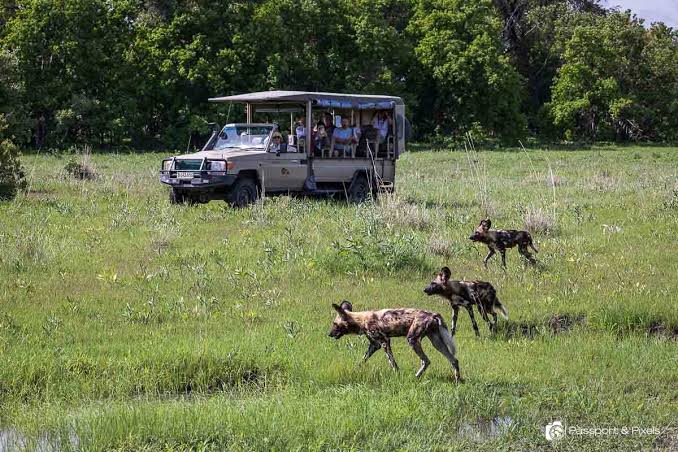
Photo: Divulge Adventures
Quick Facts
- Season: green season (the summer rains), often called the secret season
- Weather: Maun averages about 32°C by day and 21°C at night, with roughly 90-100 mm of rain in the month (checked October 2026)
- Best regions: Nxai Pan, the Makgadikgadi Pans and the Central Kalahari Game Reserve
- Wildlife highlights: zebra migration, antelope calving, active predators and summer migrant birds
- Okavango water: near its lowest; the flood usually arrives around March-April
- Prices: low-season rates at most camps, apart from New Year week at some
- Health: malaria risk in the north, highest in the rainy months
Is Botswana in January a Good Time for a Safari?
Botswana in January is a good time for a safari if you value green landscapes, baby animals, the zebra migration, birds and value for money. It is a poorer choice if your priority is mokoro trips or the huge dry-season elephant herds along the Chobe River, which peak from about June to October.
Ready to go? Book your customized safari instantly on WhatsApp — we'll take it from there.
 Book
Instantly on
The reason is water. In the dry months wildlife has to stay close to permanent rivers and lagoons. Once the summer rains fill pans across the country, animals can drink almost anywhere, so they spread out to graze on fresh grass, often into the Kalahari and the salt-pan country that is dusty and quiet for much of the year.
Who should visit Botswana in January?
Botswana in January suits repeat safari-goers, birders, photographers who like storm light and green backdrops, couples who want quiet camps, and travellers looking for better value. If this is your first safari and the brochure image is a mokoro gliding through papyrus, the dry season fits better. Our Okavango Delta vs Chobe comparison explains how the two areas change through the year.
| Botswana in January | Pros | Cons |
|---|---|---|
| Wildlife | Zebra migration, calving, predators hunting young antelope | Game spread out; thicker bush hides animals |
| Weather | Clear mornings, dramatic skies, green landscapes | Heat, humidity and afternoon storms |
| Cost and crowds | Low-season rates; very few vehicles | New Year week can carry high-season prices |
| Activities | Excellent birding, game drives and walks | Limited mokoro and boat trips in much of the Delta |
What Is the Weather Like in Botswana in January?
The weather in Botswana in January is hot, humid and stormy. Maun, the gateway to the Okavango, averages a high of about 32°C and a low of about 21°C, with roughly 90 to 100 mm of rain and a 40 to 47% chance of a wet day (climate averages checked October 2026).

Photo: Divulge Adventures
Rain usually arrives as heavy thunderstorms in the afternoon or evening rather than all-day drizzle, and skies often clear within an hour or two. Mornings are typically bright and fresh, which is when animals are most active and when your guide will want to be out.
January is wetter than December and roughly similar to February, which together form the core of the rainy season. Rainfall varies a lot from year to year and from place to place: the Kalahari and the pans are drier than the north, and a single storm can turn a sandy track into mud.
What to pack for Botswana in January
Pack for heat first and rain second. Bring breathable long sleeves and trousers in neutral colours (they also help against mosquitoes), a wide-brimmed hat, a light waterproof jacket, a dry bag for camera gear and a fleece for the occasional cool, cloudy morning. Light aircraft transfers usually limit you to a soft bag, so check the weight limit with your camp.
Where Is the Best Place to Go in Botswana in January?
The best places to visit in Botswana in January are Nxai Pan National Park, the Makgadikgadi Pans and the Central Kalahari Game Reserve, which all come alive with the rains. The Okavango Delta, Moremi and Chobe are still rewarding for predators, birds and scenery, but they are quieter than in the dry season.

Photo by Colin Watts on Unsplash
| Region | January highlights | Trade-offs |
|---|---|---|
| Nxai Pan and Makgadikgadi | Zebra herds on fresh grass, springbok, predators following the herds, huge skies | Remote and hot; exact timing depends on local rain |
| Central Kalahari Game Reserve | Green pans in Deception Valley, antelope calving, Kalahari lions, cheetah, brown hyena | Long sandy drives over a vast area |
| Okavango Delta and Moremi | Calving, active predators, exceptional birding, low rates | Low water; mokoro and boat trips limited |
| Chobe riverfront | Boat cruises with hippo, crocodile and waterbirds; newborn antelope | Big elephant herds disperse inland |
Nxai Pan and the Makgadikgadi Pans
Nxai Pan and the Makgadikgadi are the headline destinations for Botswana in January. Zebra from the Chobe floodplains walk about 250 km south to Nxai Pan in December, and by January the herds have settled on its grasslands. A second group from the Okavango grazes the Makgadikgadi grasslands at the same time.
Predators follow the herds, so lion and cheetah sightings can be excellent. The Baines Baobabs, a cluster of ancient trees beside a salt pan inside Nxai Pan National Park, make a memorable stop on a clear morning.
The Central Kalahari Game Reserve
The Central Kalahari Game Reserve is at its best in the wet season, roughly November to March. Rain greens the old riverbed of Deception Valley and draws springbok, gemsbok, wildebeest and red hartebeest, followed by black-maned Kalahari lions, cheetah and both brown and spotted hyena. Distances are big, so allow at least three nights.
Is the Okavango Delta worth visiting in Botswana in January?
The Okavango Delta is still worth visiting in January for game drives, walks, predators and birds, but not for water. The flood from the Angolan highlands usually reaches the Delta around March and April and peaks around July, so in January the channels are low. Camps on deep permanent channels may run short mokoro or boat outings; elsewhere expect land activities. If water is your priority, our 3-Day Okavango Delta Mokoro Tour works best in the dry months.
Chobe National Park in January
Chobe National Park is quieter in January than in the dry season. With water available inland, the large elephant and buffalo herds that line the river from about June to November move away, so the riverfront feels emptier. Boat cruises on the Chobe River are still worthwhile for hippo, crocodile and waterbirds, and Kasane’s closeness to Victoria Falls makes it an easy add-on.
What Wildlife Can You See in Botswana in January?
In Botswana in January you can see the zebra migration, newborn antelope, predators hunting the young, and hundreds of bird species including summer migrants. General game is more scattered than in the dry season, but animals are in good condition, the light is beautiful and sightings often come with no other vehicles around.

Photo by Hans-Jurgen Mager on Unsplash
The zebra migration
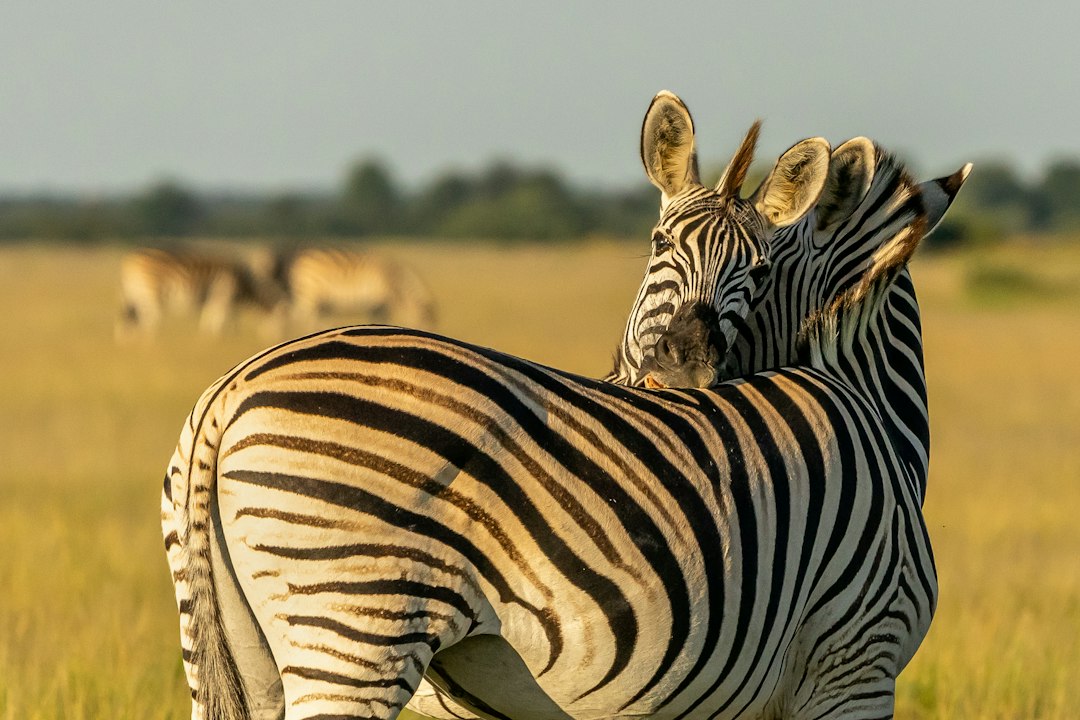
The zebra migration is the big wildlife story of Botswana in January. Both groups of zebra are on their wet-season grasslands at Nxai Pan and the Makgadikgadi, and they usually stay until late February, with the last herds heading north and west by the end of March. That makes January one of the most dependable months to see them.
If you have watched the wildebeest herds in East Africa, this is a quieter, more intimate spectacle with far fewer people. Our Great Migration month-by-month guide explains how the Serengeti and Masai Mara herds move, which helps if you are weighing the two.
Calving season and predators
Many antelope give birth in the early rains, including impala, tsessebe and red lechwe in the north and springbok in the Kalahari. Young animals draw lion, leopard, cheetah, wild dog and hyena, so predator activity can be intense.
Birding in Botswana in January
Birding in Botswana in January is among the best of the year. Summer migrants from Europe and other parts of Africa are present, many resident species are in breeding plumage, and pans and floodplains fill with storks, waders and raptors. If birds are a main reason for travelling, look at our birding safaris for ideas.
How to Plan a Safari in Botswana in January
The best plan for Botswana in January combines a rain-driven area, such as Nxai Pan or the Central Kalahari, with a few nights in the Okavango or Moremi for predators and scenery. Eight to ten nights lets you cover two or three regions without rushing. Book early if your dates include New Year.

Photo: Divulge Adventures
| Days | Region | Why it works in January |
|---|---|---|
| 1-3 | Nxai Pan and Baines Baobabs | Zebra herds, springbok and the predators that follow them |
| 4-6 | Central Kalahari Game Reserve | Green pans, calving antelope, Kalahari lions and cheetah |
| 7-9 | Okavango Delta or Moremi and Khwai | Predators, walks, birding and low-season camp rates |
| 10 (optional) | Chobe riverfront and Victoria Falls | River cruises and an easy link to the falls |
Our 7 Days Kalahari Expeditions trip follows this wet-season pattern closely, with Nxai Pan, the Baines Baobabs and the Central Kalahari, while the 8 Days Moremi and Northern Exploration covers Moremi and the Khwai concession for predators.
How much does a Botswana safari cost in January?
A Botswana safari usually costs less in January than in the dry season, because most camps charge green-season rates. Savings can be substantial at high-end Delta camps, though prices stay higher than in most of East Africa, and some properties charge peak rates over New Year. Park fees are set by Botswana’s Department of Wildlife and National Parks and are often included in camp rates, so confirm them in your quote before booking.
Plan a green-season safari in Botswana in January
See our Botswana safaris: Kalahari, Okavango, Moremi and Chobe itineraries that we tailor to your dates, budget and the wildlife you most want to see.
Health, Entry and Practical Tips for January
The key practical points for Botswana in January are malaria prevention in the north, heat management, flexible plans around storms and checking entry rules for your passport. None of them is a reason to avoid the month, but each one is easier to handle when you plan for it in advance.

Photo: Divulge Adventures
Malaria is present in the northern half of Botswana, including the Okavango Delta, Moremi and Chobe, and mosquitoes are most active in the rainy months. NHS Fit for Travel’s Botswana advice (checked October 2026) says northern areas should currently be treated as high risk because of an outbreak, and usually recommends antimalarial tablets there. Speak to a travel health professional well before you go, and cover up after dark.
Visa rules depend on your nationality, so check the current requirements with Botswana’s immigration authorities or your nearest Botswana embassy before booking flights. A yellow fever certificate is required if you arrive from, or have transited through, a country with yellow fever risk, which matters if you are combining Botswana with East Africa. Comprehensive travel insurance with medical evacuation cover is wise in remote areas.
If you are deciding between countries for a January trip, our Botswana vs Namibia guide compares the two, and our guide to Botswana in December shows how the season builds a month earlier.
Insider Tips
- Follow the rain: base at least half your nights in Nxai Pan, the Makgadikgadi or the Central Kalahari
- Ask about water: if you want a mokoro, choose a camp on a deep permanent channel and confirm before booking
- Go out early: the best light and most active wildlife come before the afternoon storms
- Allow buffer time: muddy tracks and storms can slow road transfers; light aircraft save time
- Watch the New Year dates: some camps charge peak rates over Christmas and New Year, so later in January is often better value
- Pack a dry bag: keep cameras, binoculars and phones dry in open vehicles
Let us plan your safari
Tell us your dates, budget and dream sightings, and our Nairobi team will send you a free tailor-made itinerary and quote.
Frequently Asked Questions
Is January a good month for a Botswana safari?
Yes, Botswana in January is a good month for a safari if you want green scenery, newborn antelope, migrating zebra at Nxai Pan and the Makgadikgadi, superb birding and low-season rates. It is weaker for water activities in the Okavango and for big elephant herds on the Chobe riverfront, which are better from June to October.
How hot and wet is Botswana in January?
Botswana in January is hot and humid. Maun averages about 32°C by day and 21°C at night, with roughly 90 to 100 mm of rain and a wet day on around four days in ten (climate averages checked October 2026). Rain mostly falls as short afternoon or evening thunderstorms, so mornings are usually clear for game drives.
Can you do a mokoro trip in the Okavango Delta in January?
You can do a mokoro trip in January only in some places. The Okavango Delta is near its lowest water level because the annual flood from Angola usually reaches the Delta around March and April and peaks around July. Camps on deep permanent channels may still offer short mokoro or boat outings, so ask before you book.
Where is the zebra migration in Botswana in January?
In January the zebra migration is on the wet-season grasslands. Herds from the Chobe floodplains settle around Nxai Pan, and a second group from the Okavango grazes the Makgadikgadi Pans. They usually stay until late February or March, when the first herds head north again, so January is one of the most reliable months to see them.
Do I need malaria tablets for Botswana in January?
Malaria tablets are usually advised for northern Botswana, including the Okavango Delta, Moremi and Chobe, and the risk rises in the rainy season. NHS Fit for Travel currently says northern areas should be treated as high risk because of an outbreak. See a travel health nurse or doctor six to eight weeks before you travel for advice that fits you.
Final Thoughts on Botswana in January
Botswana in January rewards travellers who plan around the rains: zebra on the pans, calving antelope, busy predators, superb birding, green scenery and lower prices, in exchange for heat, storms and limited water activities. Pair Nxai Pan or the Central Kalahari with a few nights in the Okavango or Moremi and the month can be outstanding.
If Botswana in January sounds like your kind of safari, send us your dates and we will suggest a route that matches the season.
Wondering if January is the right month for your Botswana safari?
Chat with a Divulge Adventures safari consultant on WhatsApp for honest advice, a quick answer and a quote built around you.